YZA Voku
Madrid, Spain
Bio:
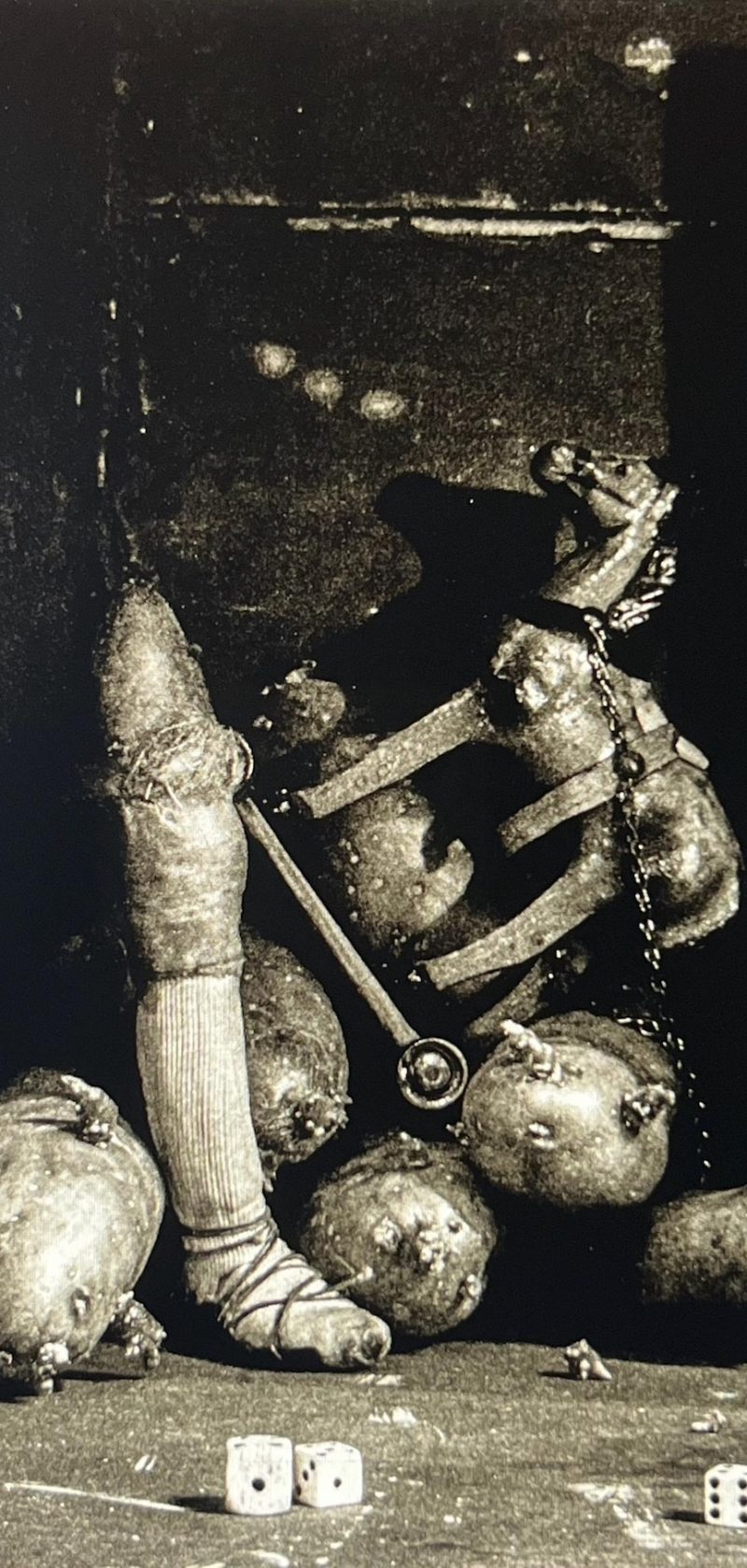
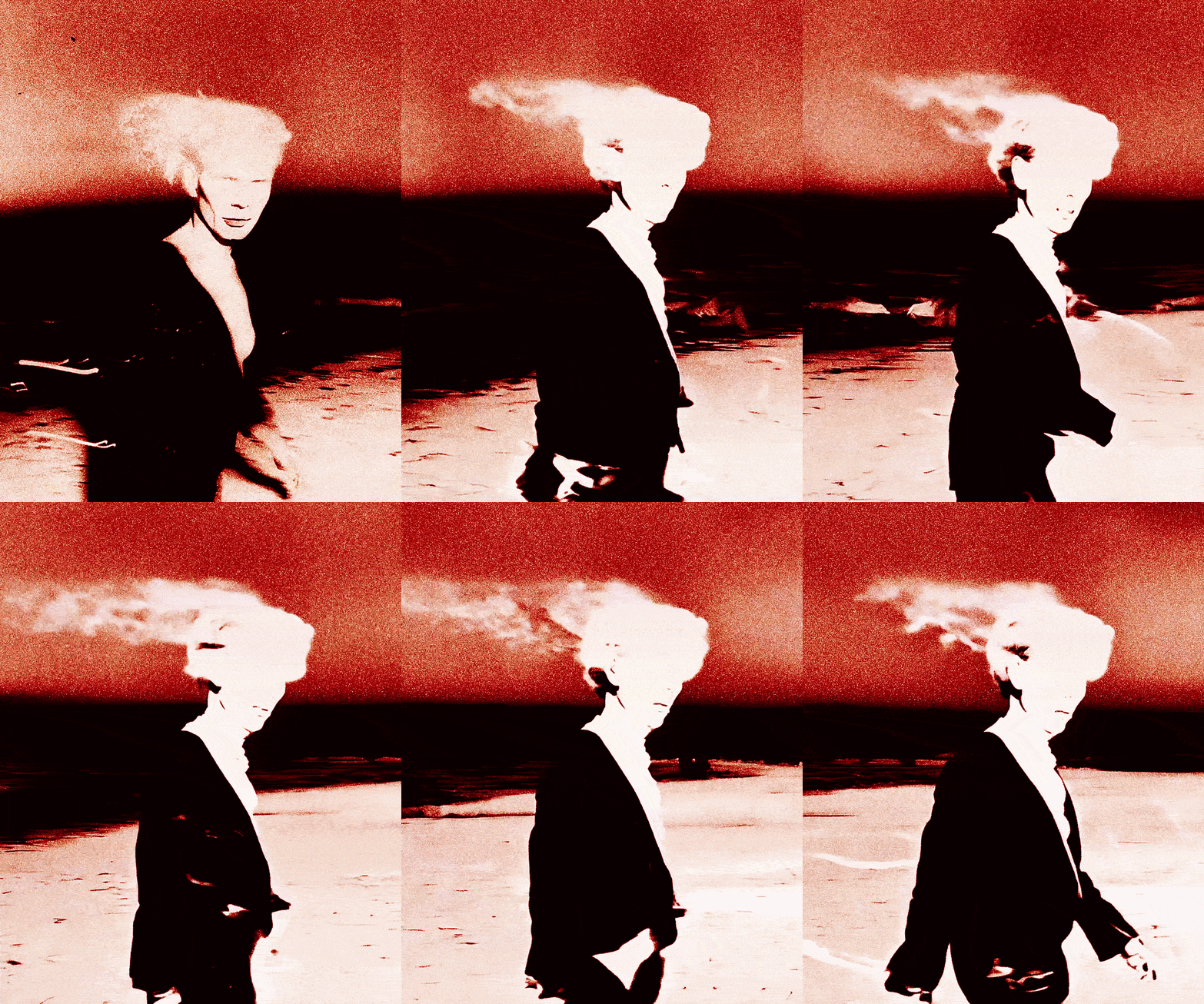
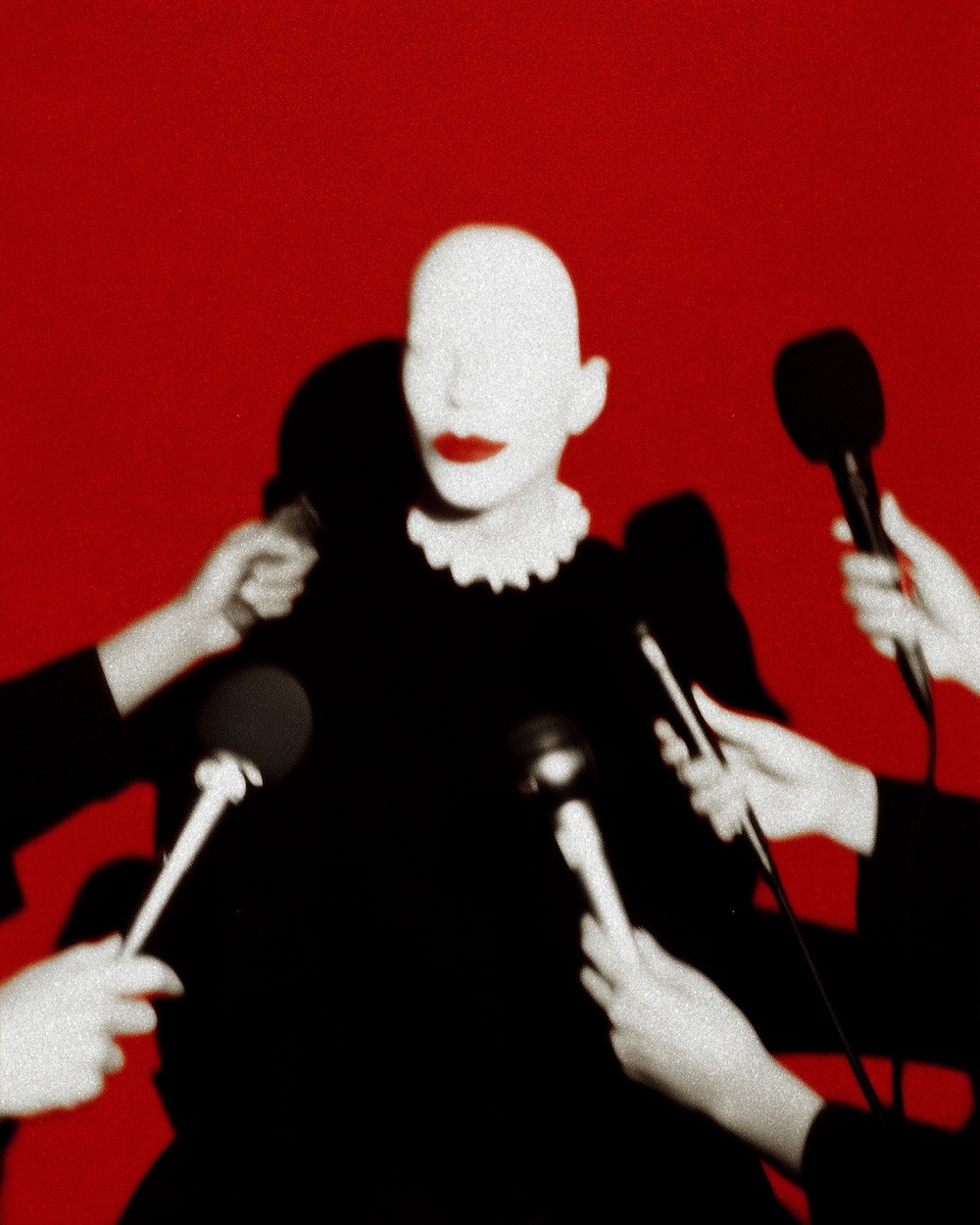
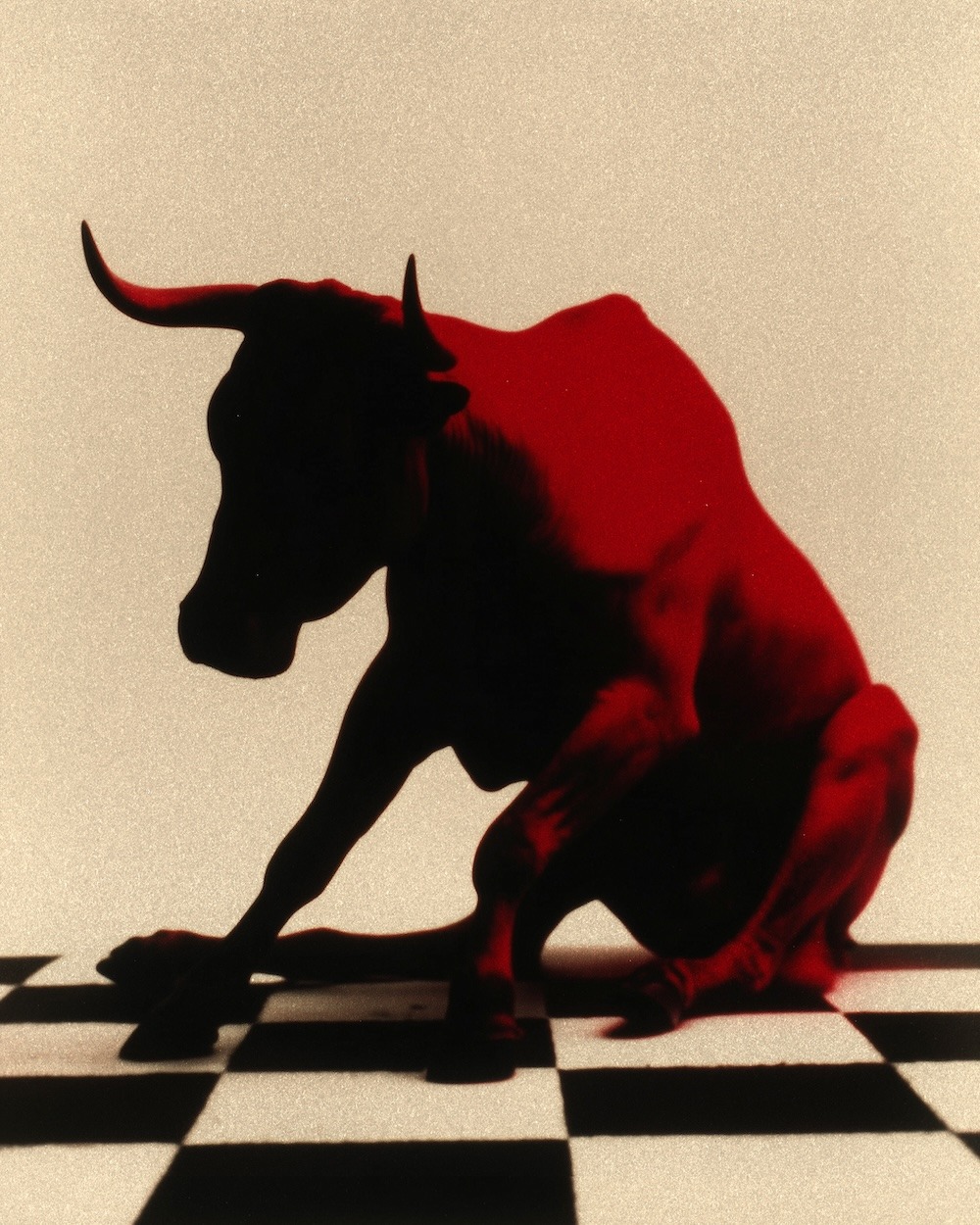
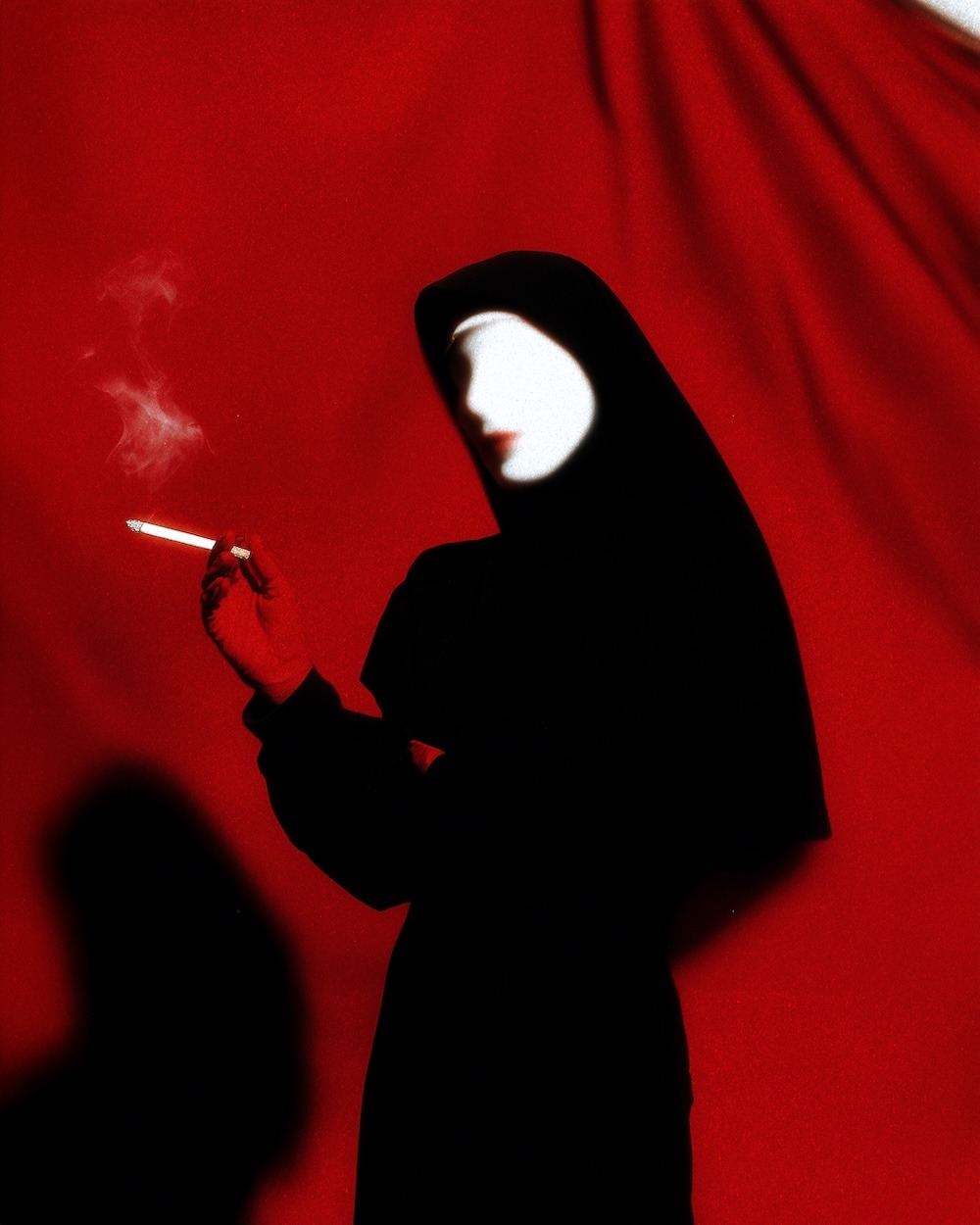
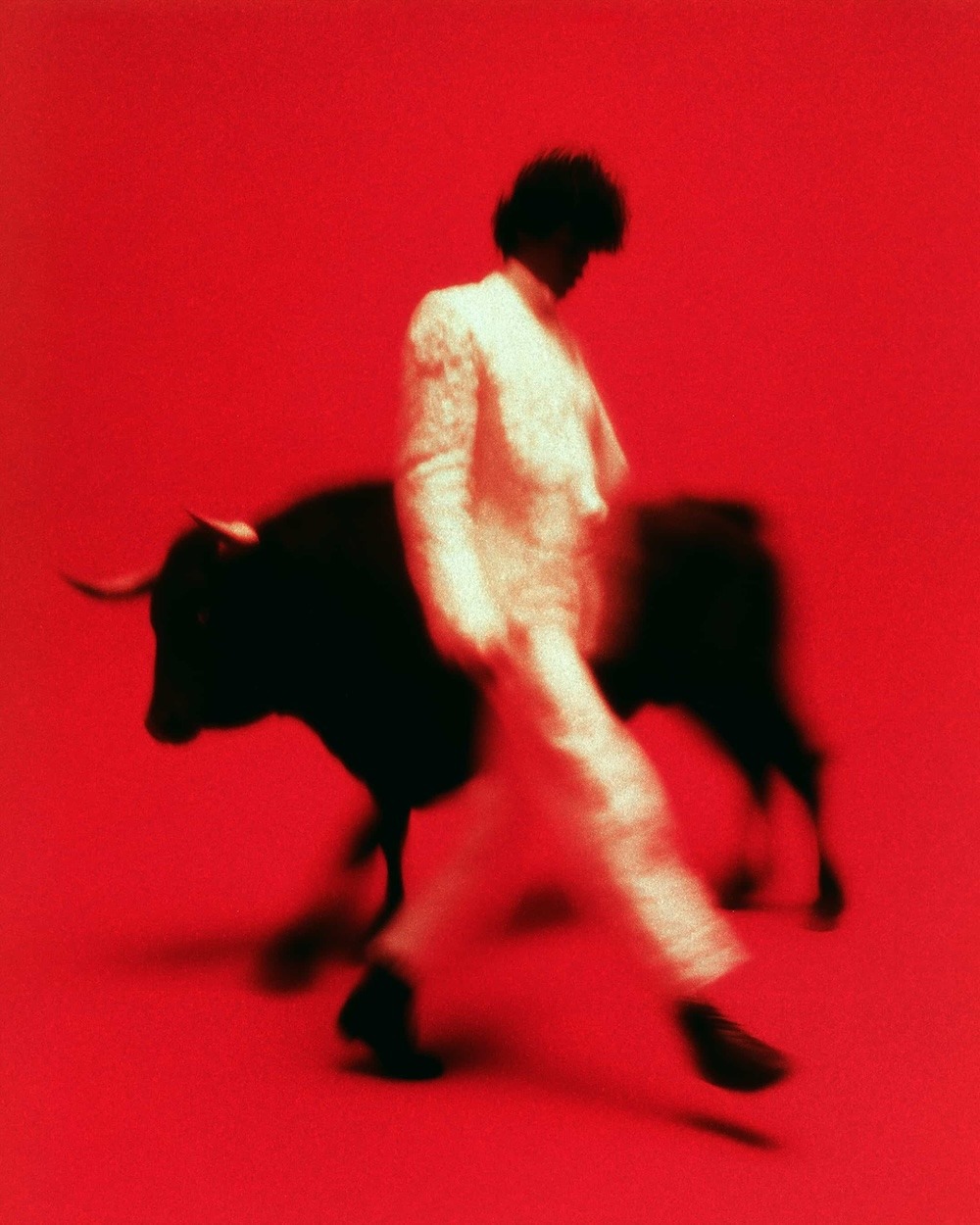
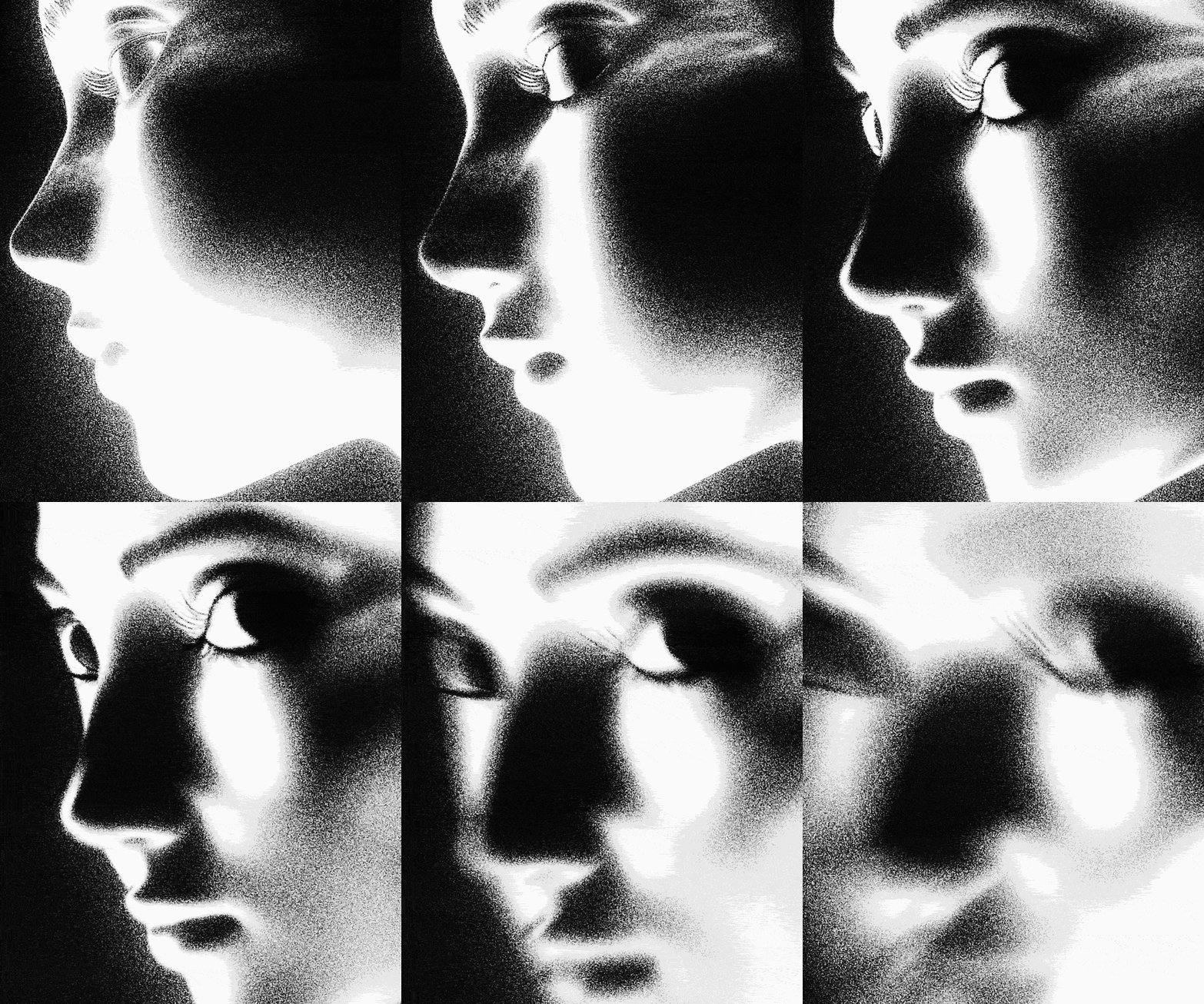
YZA Voku, a director and visual artist based in Madrid, opens a playground for creation, experimentation and multidisciplinary intersection, fusing generative Al with traditional methods to develop stories with a different approach.
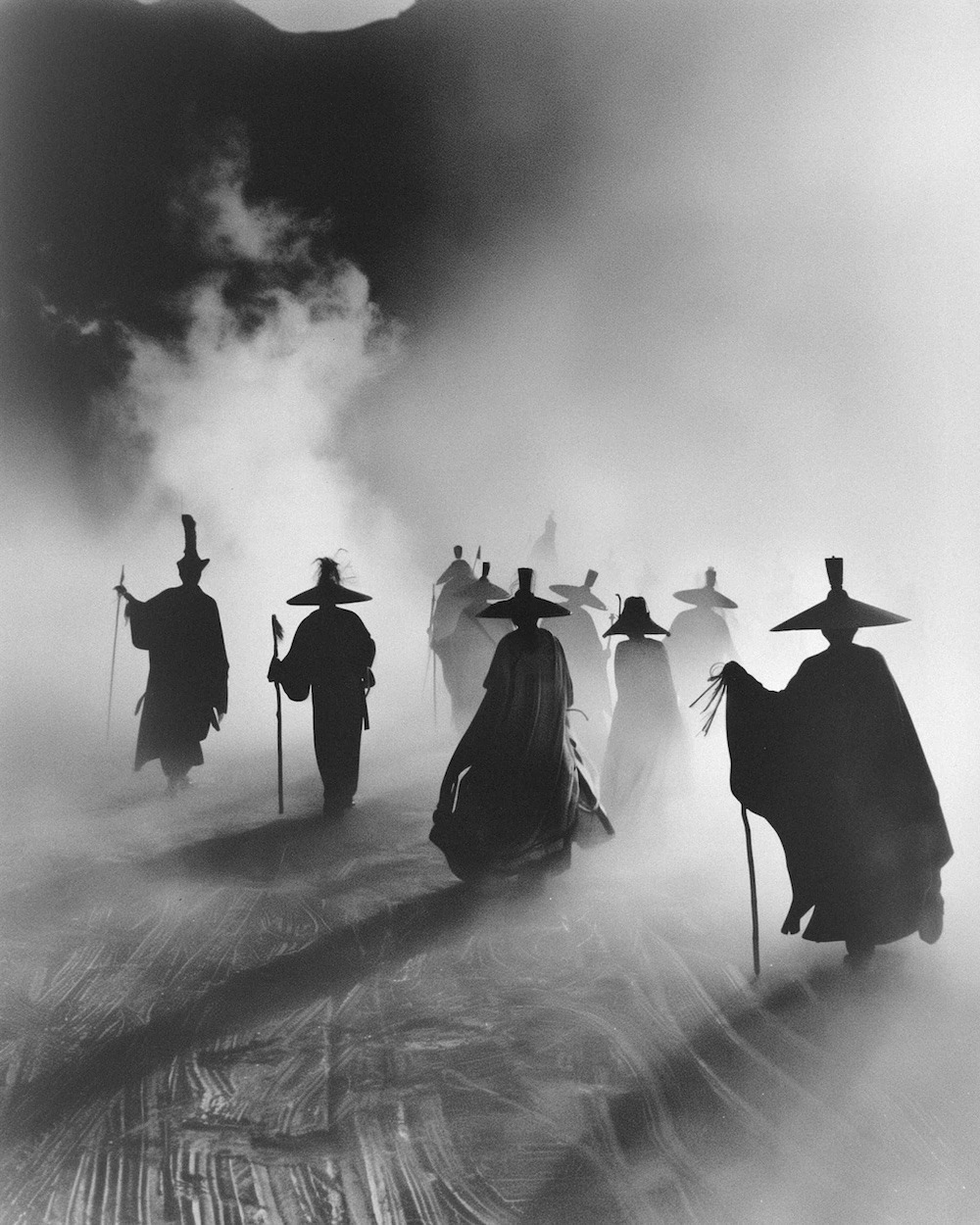
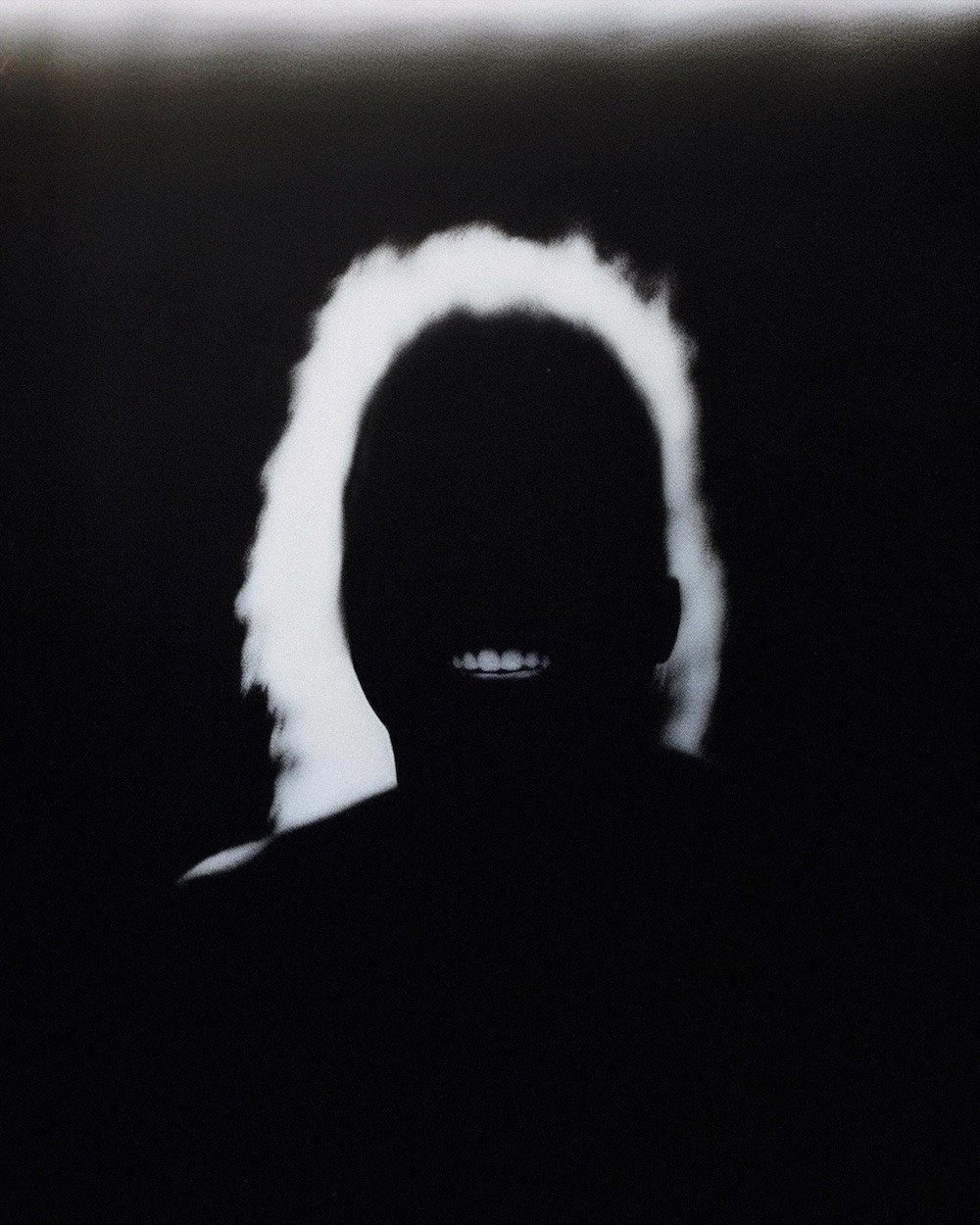
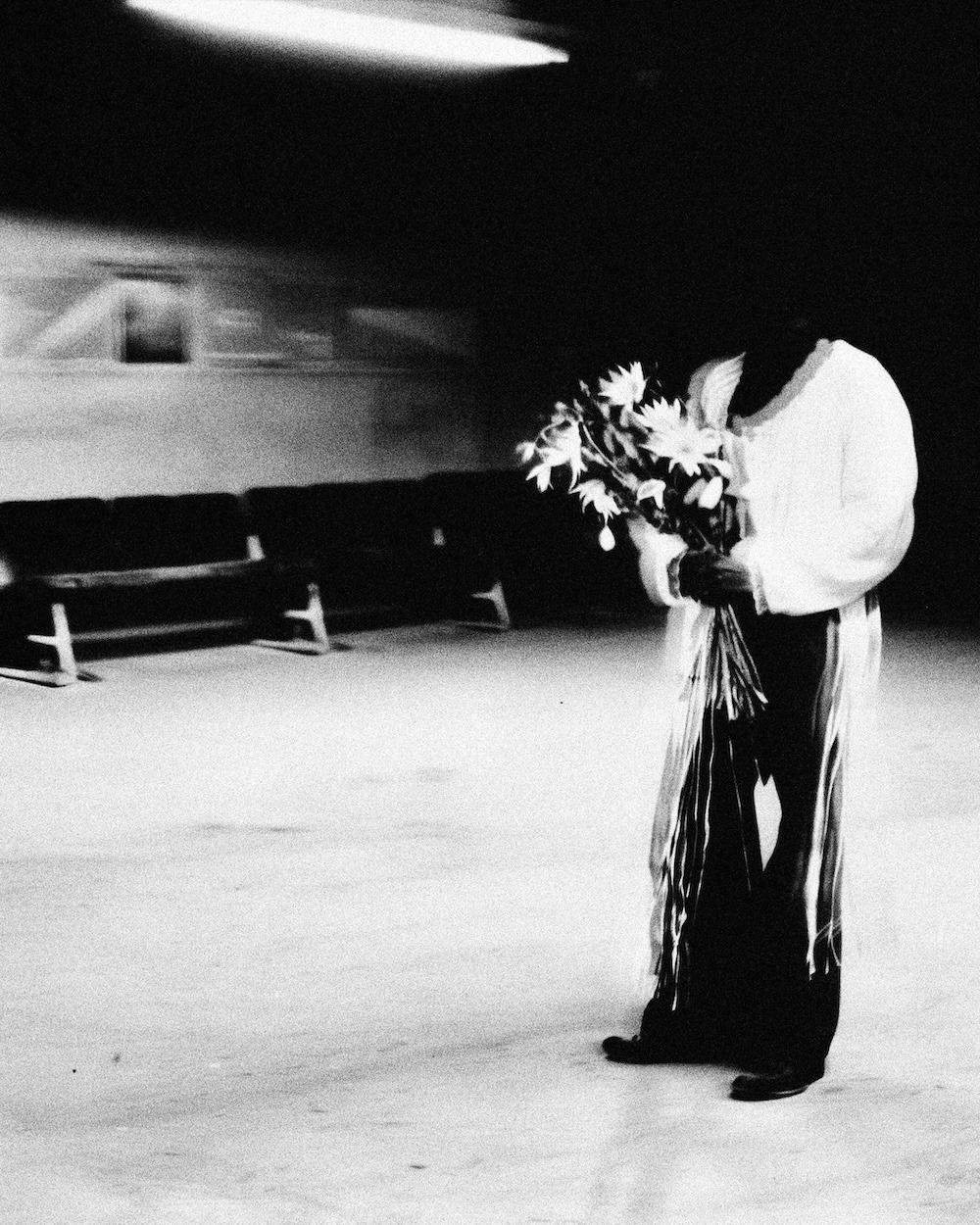
His work blurs the boundaries between the organic and the synthetic, exploring immersive visual narratives deeply rooted in emotion and symbolism. Constantly moving between the worlds of dream and waking, his personal style merges surreal minimalism, performance photography, and avant-garde cinema to craft images that are singular, fluid, and deeply human.
Where are you from, where are you based now, and can you tell us a bit about both?
Andalusia, Spain. A place under a warm sky; full of contrasts, and emotion.
From art direction to photography and film… how have these disciplines shaped your visual language?
Art direction taught me to build what isn’t there. Photography taught me to value what appears. Film… taught me that all of it only works in time.
What led you to experiment with generative AI as part of your creative practice?
At first, I wasn’t looking for results. More for something that would respond incorrectly. That would interpret things differently. AI appeared as something I didn’t fully understand and that mattered.
Because when you understand a tool too well… You stop talking to yourself, creatively.
Your work combines traditional techniques with generative AI. How do you balance these two worlds in your creative process?
I’m interested in when one interrupts the other. Sometimes generative AI tools propose too much; so I return to the traditional. And when the traditional becomes predictable… I let something slip out of control again. It’s not a system. It’s more like a conversation that never ends.
Do you begin with a concept, a visual mood, or experimentation with technology?
Almost always with a feeling. It’s not yet an idea or a story, it’s more like a climate, an emotional temperature. From there, I start collecting fragments: colors, sounds, images, technological errors. The concept usually comes later, when everything begins to connect.
To what extent is your process based on intuitive experimentation versus deliberate direction?
I’d say the process is like walking at night. You know where you want to go, but you only see a few meters ahead. There’s intuition, but also very precise decisions. I listen to the image when it starts to speak.
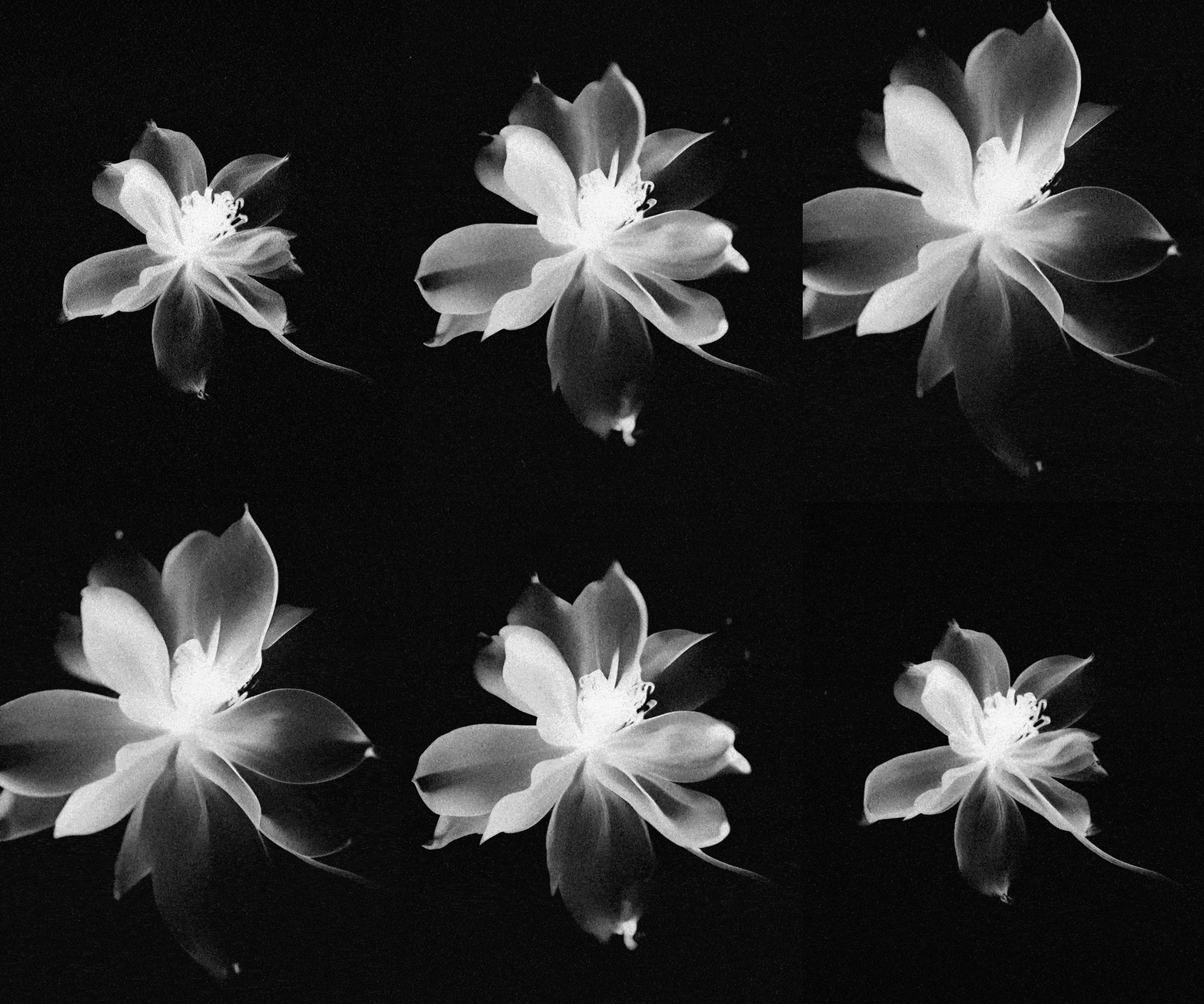
Your work often blurs the line between the organic and the synthetic. What fascinates you about this intersection?
That small detail where you no longer know if you’re looking at something alive or something trying to appear alive. I’m interested in doubt. Because when you doubt… you remember.
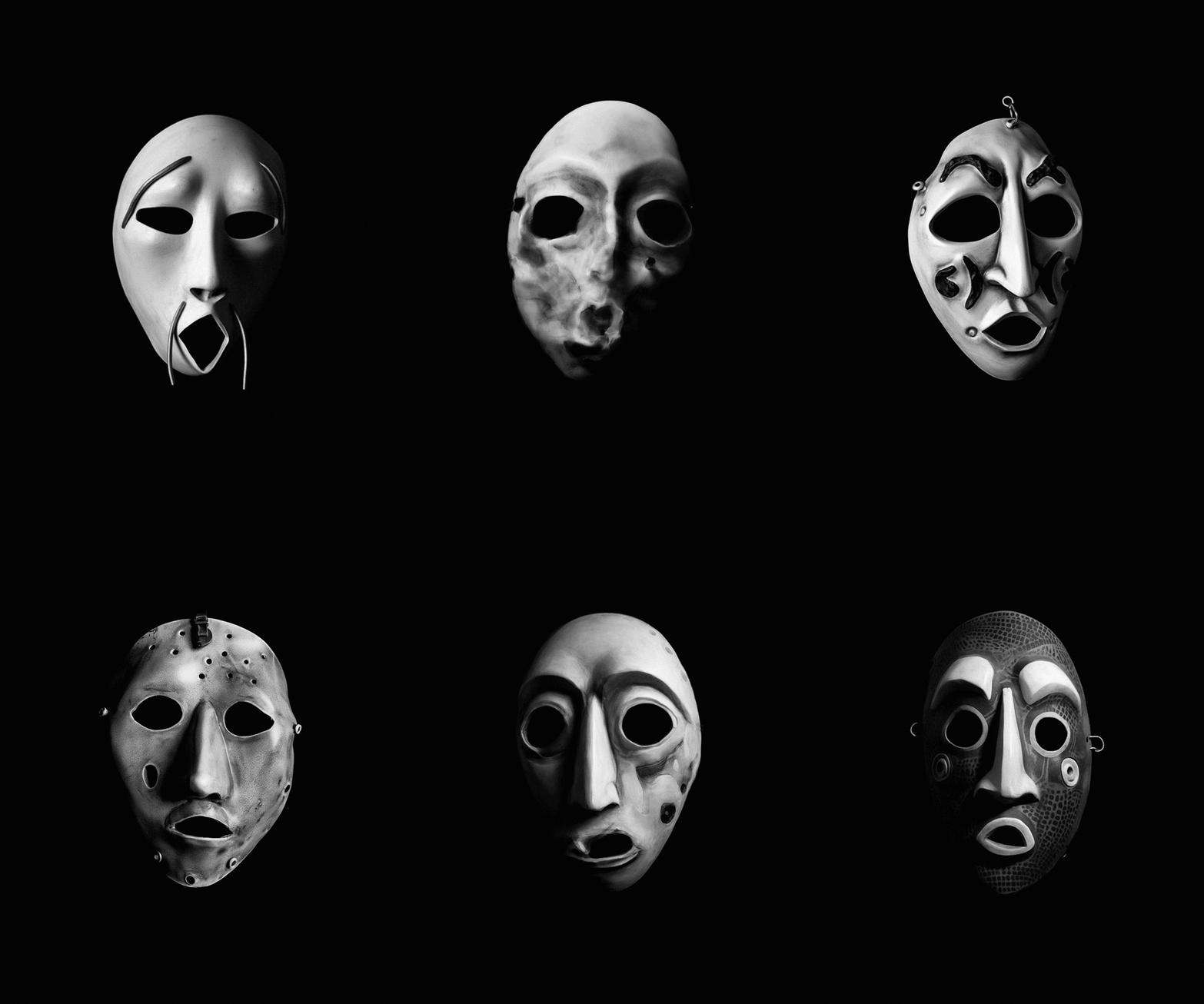
Many of your images have a dreamlike and symbolic quality. How does narrative function in your work?
I’m drawn to incomplete narratives. Stories that are too clear are quickly forgotten. I prefer images that work like fragments of a dream, symbols that each person finishes interpreting on their own.
What do you hope viewers experience when encountering your work?
A moment of pause… where the viewer stops and feels that something is both familiar and strange at the same time.
How do you think the relationship between human creativity and machine learning will evolve in the coming years?
Human error will gain value. Imperfection will carry a signature.
What kind of projects or collaborations would you like to explore next?
I’m interested in hybrid projects: film, installations, immersive spaces. Collaborations with musicians, architects, sculptors… people who also work with atmosphere and perception.
What do you have planned for 2026?
I’d rather not know.
Where can we find you online?