Rose Mihman
Paris, France
Bio:
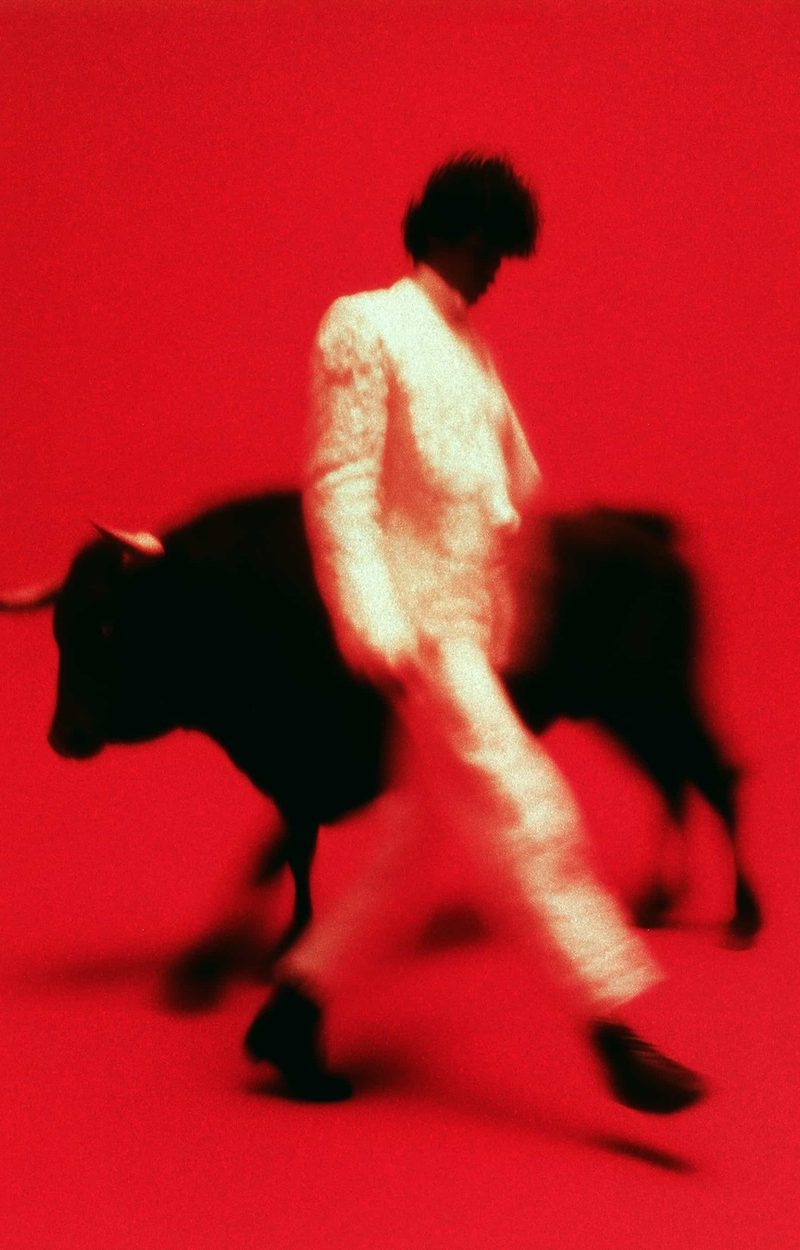
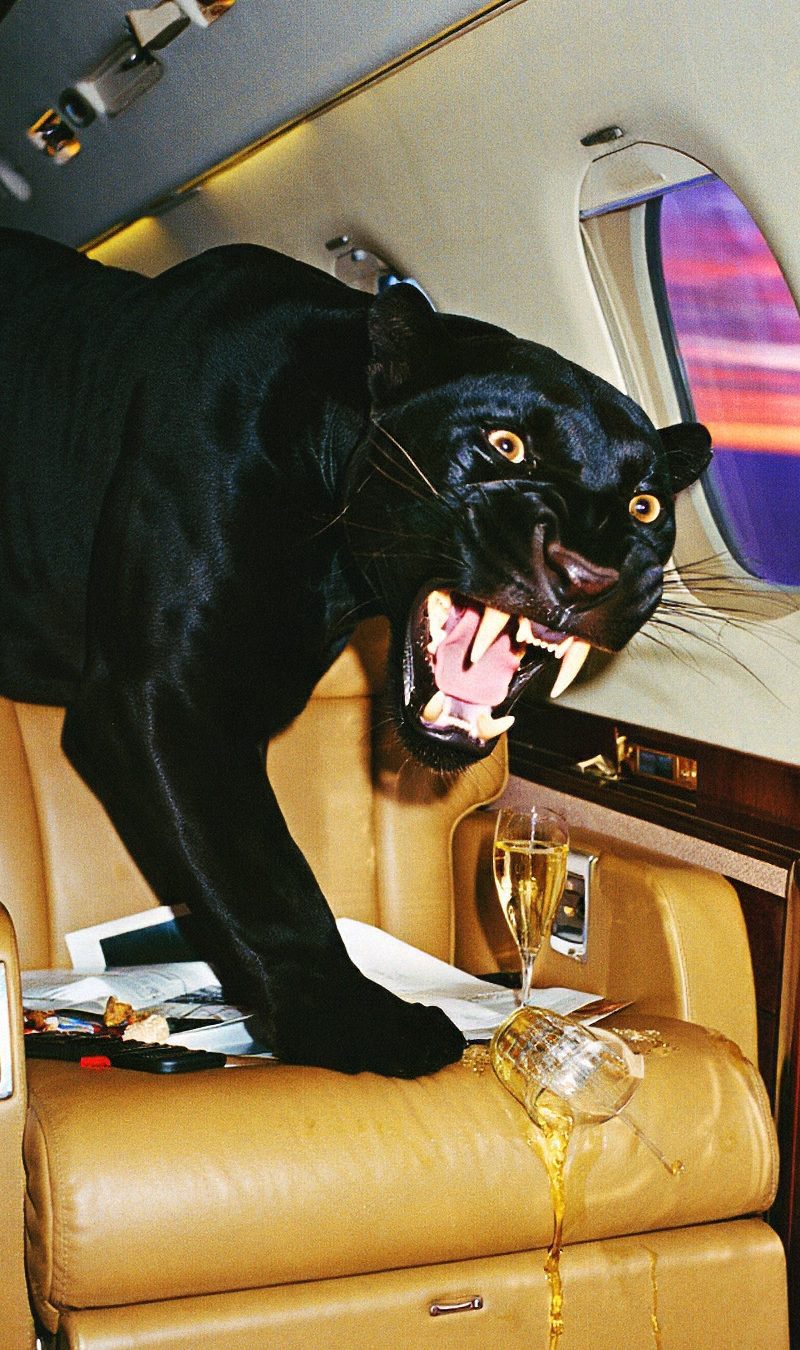
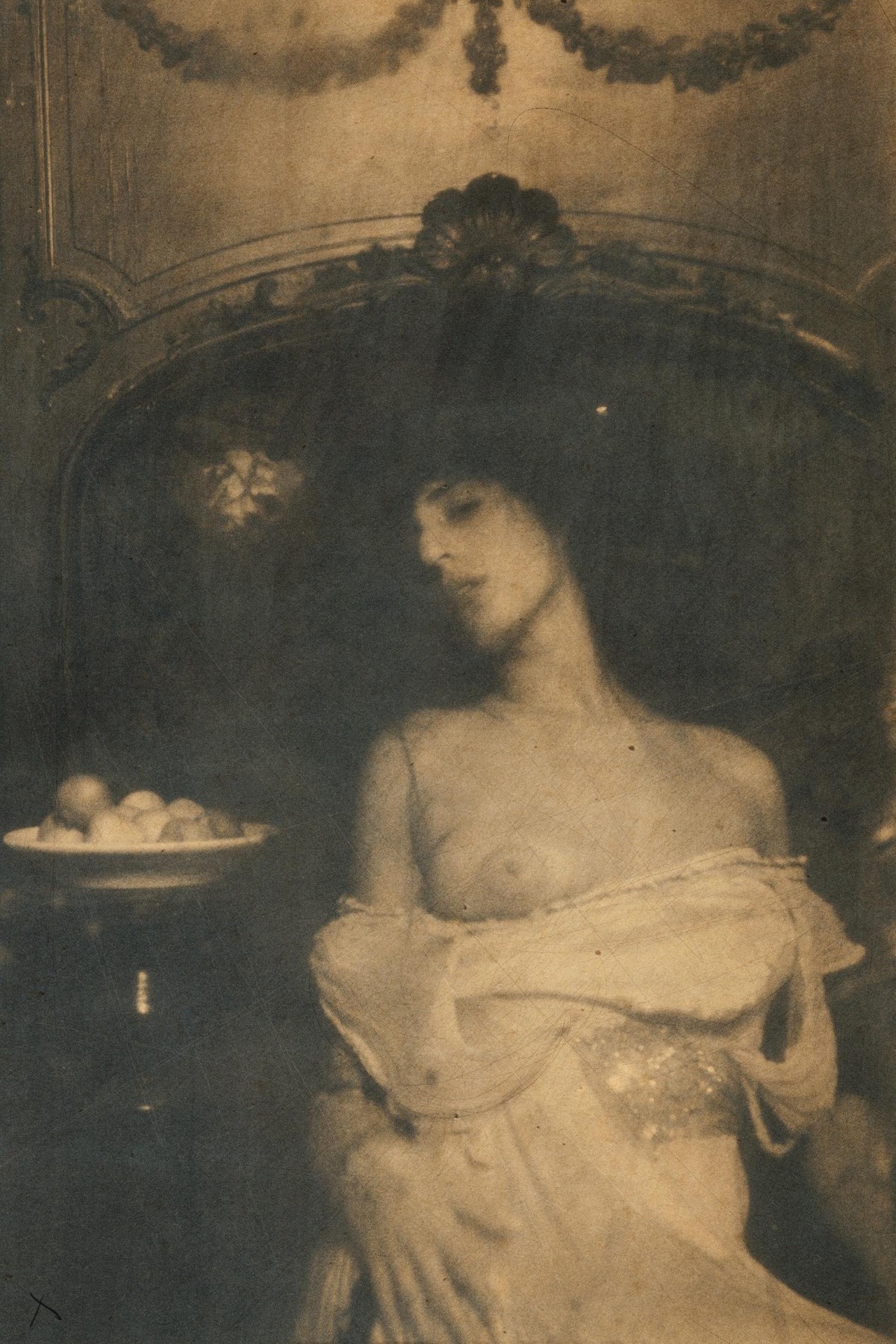
Barely 23 years old, Paris-based visual artist and photographer Rose Mihman has been exploring a surreal, painterly universe since adolescence. Entirely self-taught, she has developed a distinctive visual language rooted in an obsession with portraiture – particularly self-portraiture. Through meticulous staging, elaborate styling, and transformative makeup, she creates eccentric, almost mythic figures, infusing each image with an unmistakable presence and soul.
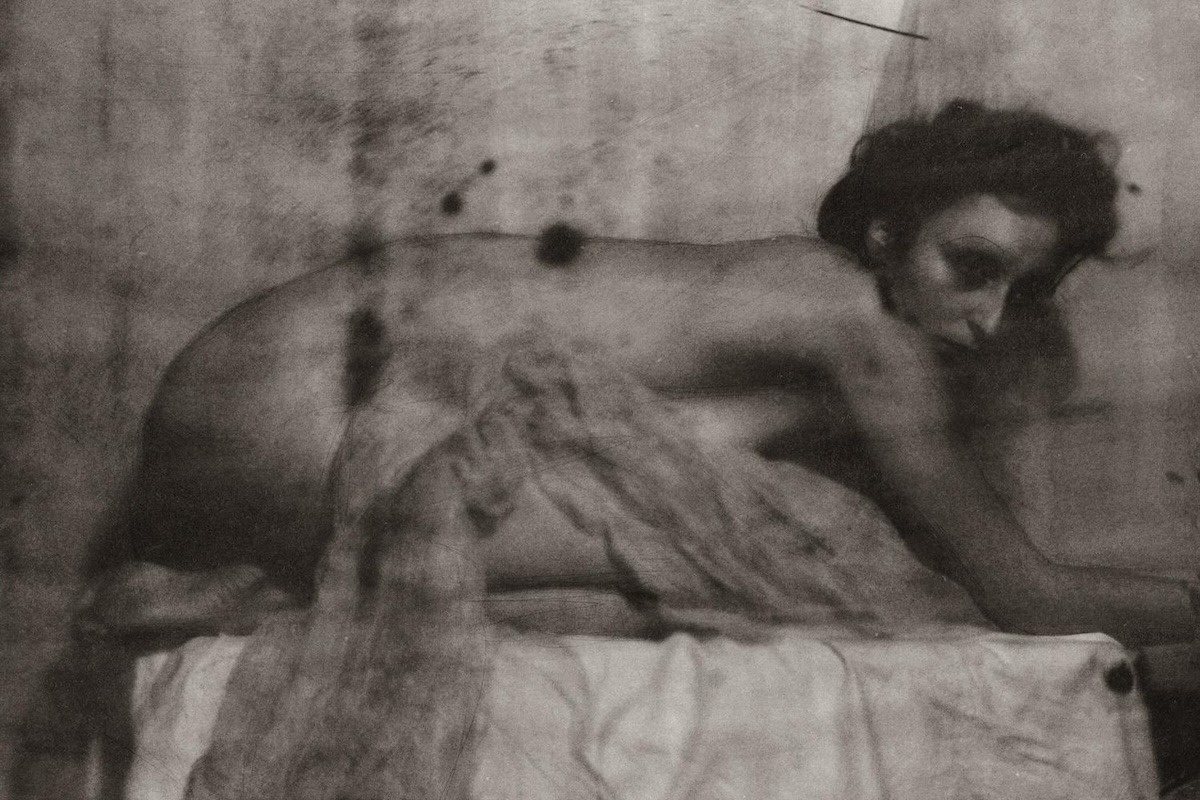
Her theatrical and unsettling tableaux evoke a dreamlike past populated by familiar yet ghostly silhouettes from an indeterminate time. Hovering between the absurd and the grotesque, her aesthetic radiates a hypnotic sensuality, recalling imagined memories of a decadent Belle Époque drifting through absinthe haze and opium-tinged reverie.
Drawing on religious iconography, Baroque painting, and themes of madness, ritual, and transformation, Mihman’s work reflects echoes of artists such as James Ensor and Pierre Molinier, while also nodding to early cinematic visionaries like Georges Méliès and Polish expressionist director Robert Wiene. Like a visual alchemist, she fuses analog and digital techniques to produce images that feel unearthed from another era.
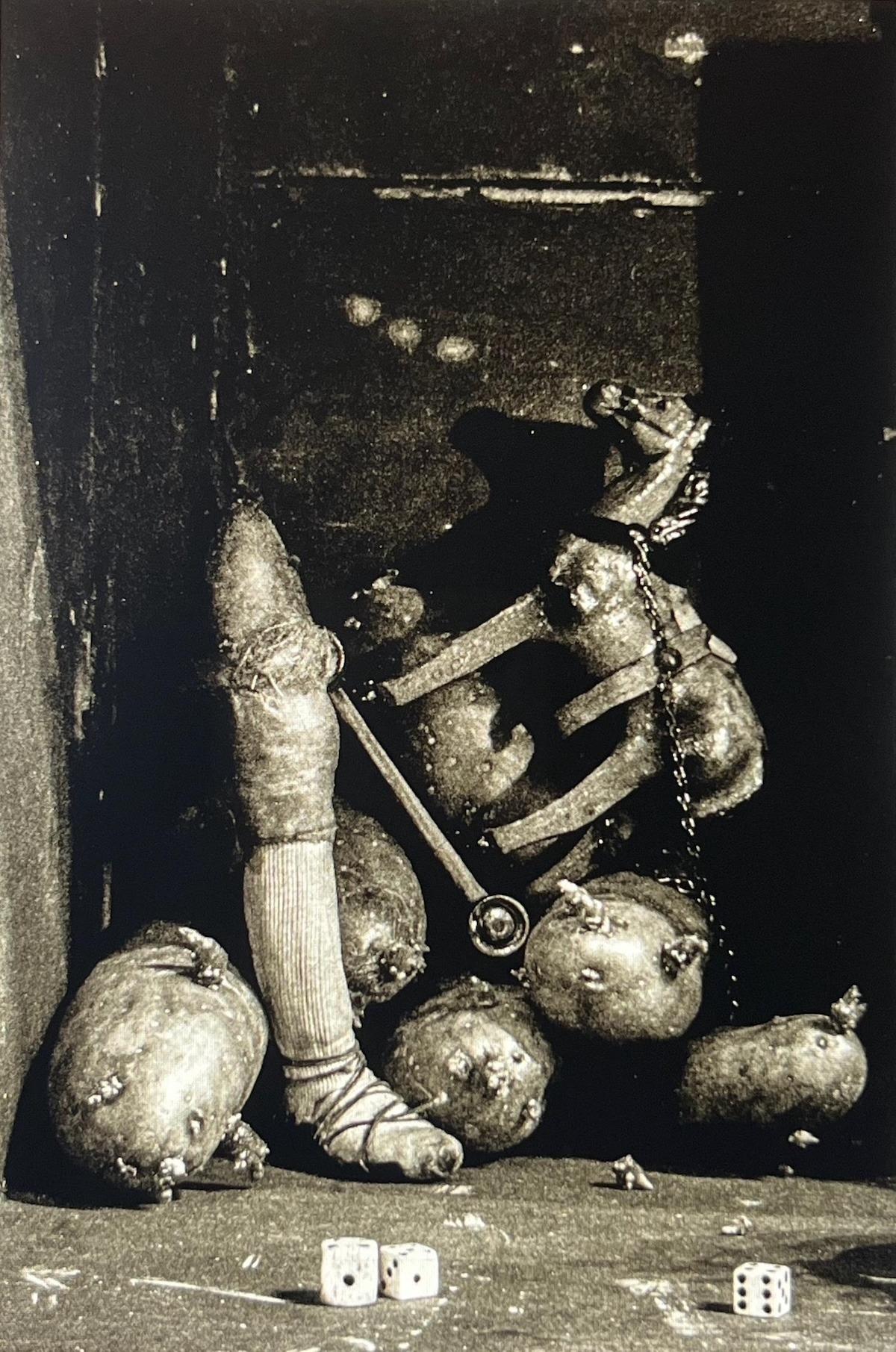
Each composition is assembled with antique textiles, found objects, and carefully chosen props and carries a sense of rare singularity. Her photographs resemble intimate treasure chests of an imagined past, freed from convention and vibrating with desire within an atmosphere both decadent and enchanting.
Through these evocative works, Mihman offers a captivating reinterpretation of memory, identity, desire, and metamorphosis.
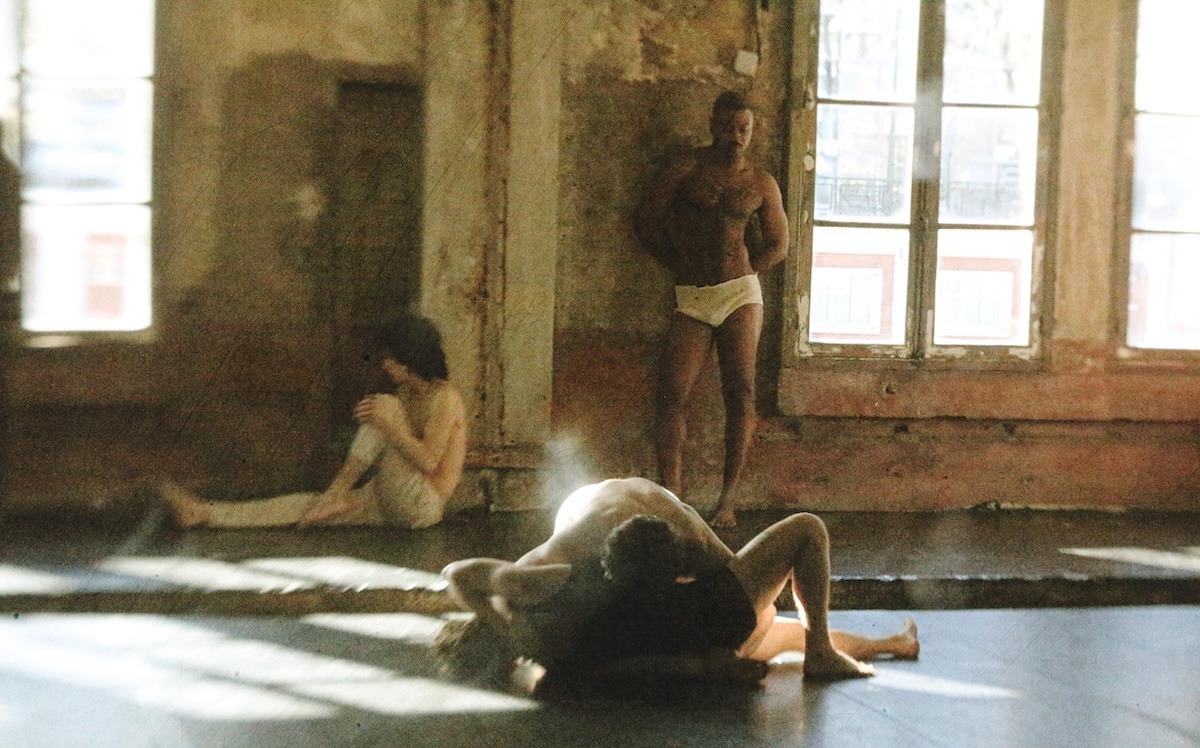
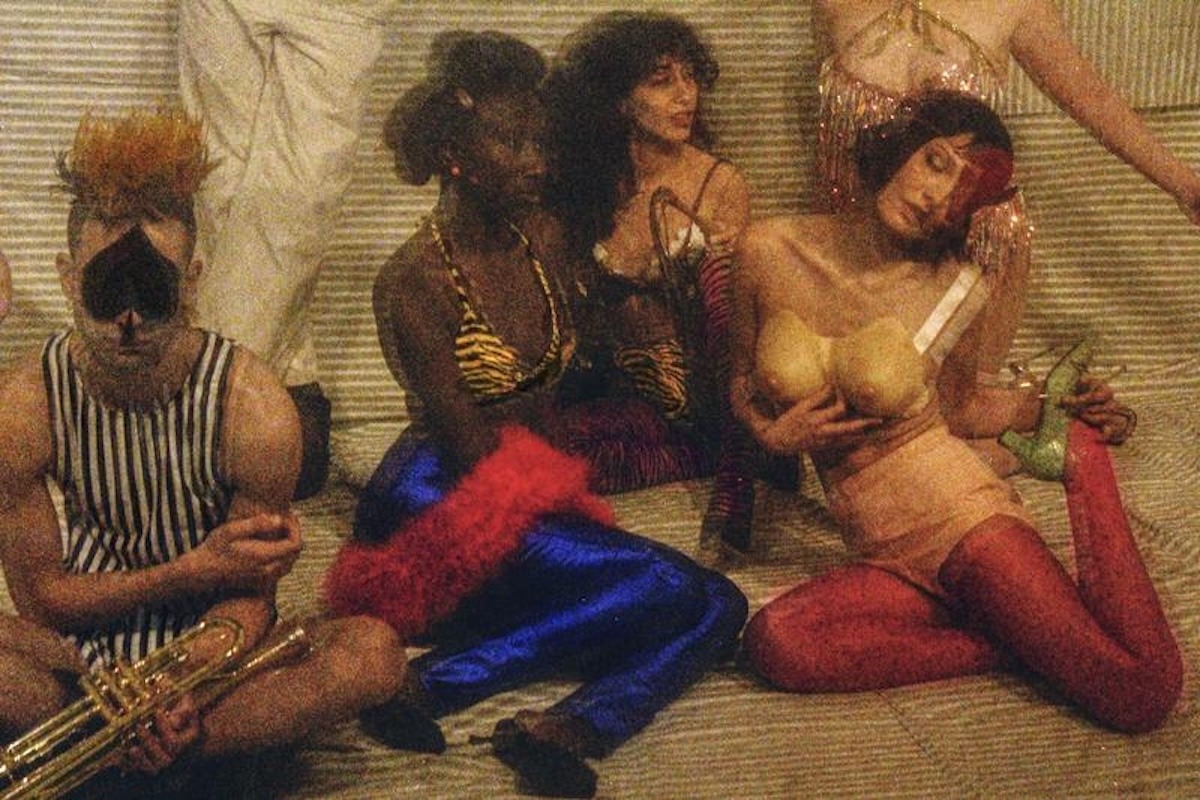
Where are you from, where are you based now, and can you tell us a little about the two?
I am from Noisy-le-Roi, a small town near Versailles that, a long time ago, used to be only mud and grass. I am now luckily based in Paris. Noisy-le-Roi has been a goldmine for me. As a hopeless romantic and nature enthusiast, I have been able to give life to my most intimate desires, such as laying naked in the fields or walking in the tall grass while, of course, shooting.
I would also take my suitcase and a chair to Versailles to shoot in the gardens. I used to live with my mom for a long time, and she has this strong relationship with decoration, clothes, and everything that makes our lives a bit richer in sensations. So yeah, we basically lived in a dollhouse from the 18th century. That’s where I started photography for real. Around 14 years old, I started in my bedroom. I still shoot in my bedroom using the same process, except it’s now in Paris. That’s why I want to own a house and be able to create mise-en-scène all around my beautiful house and garden. Oh, Virginia Woolf, she was so right.
The floor in my room was made of terracotta tiles, and it was sloped. I remember hiding a drawing and a letter under a tile for the future owners. They eventually found it. I’m sure you now understand how decaying things open doors to the imagination. It’s like every object has its own life and patina; each part tells a story. It has lived, and it’s open to living a few more lives—unlike clean, new things that last two days and are made of poor materials.
I learned through a friend that materials and fabrics have a real effect on our body’s equilibrium. I think we should go for the most organic. We’ve forgotten what it’s like to live with nature and animals, but it’s at the core of each of us.
Anyway, now Paris… It’s a love–hate relationship. It might not be the most toxic relationship I’ve had, but still… In Paris, it’s like I know I’ll be here for a few years, but I will definitely come back to my sacred land (which will be somewhere in the French countryside). Ugh, is it again a Parisian daydreaming about the countryside and then, when they actually achieve it, they come back illico presto to the big city just to hate it more?!
Paris is where I work and meet incredible—and less incredible—people. Without this city, I wouldn’t be the person I am today. I will not elaborate on that…Yeah, I think I’m done talking about her now. (Paris)
Who and what are your influences, and how do these works shape the mood and visual language of your photography?
I have sooooo many. Like, so many. I nourish myself from them like an insatiable baby.
First and foremost, the person that comes to mind is Dominique Saint Martin, my ancient boss from Les Puces. She helped me so much and made me discover so many things regarding my framing, my rates, and objects in general. I love her brain so much. Also the references of Théo, Ryan, and Alexia, friends of mine. But there is, of course, Sarah Moon, Joel Peter Witkin, and Deborah Turbeville—since forever.
My first artistic awakening was the Czech New Wave in cinema, such as Birds, Orphans and Fools by Juraj Jakubisko or Daisies by Vera Chytilová (ultimate boss—I would die for her. I mean, I believe she passed away already, but still—what a woman. I aspire to be like her: free, strong, thoughtful, and poetic, always). There are also the Brothers Quay, Guy Maddin, Buñuel, John Waters, Jean Genet, Jan Švankmajer, Romeo Castellucci, Steichen, Demachy, Julia Margaret Cameron… I can’t name them all.
My favorite period is the late 19th century to the beginning of the 20th century when it comes to photography and painting. So of course I’m drawn to the entire Pictorialism movement, which was an early artistic awakening, as well as autochromes, postcards, old illustrations. And of course the Impressionists like Degas.
But I am also obsessed with Édouard Vuillard, Mary Cassatt, Henry Darger, James Ensor, Jean-Louis Forain, Fantin-Latour, Olga Boznańska, Toulouse-Lautrec, Émile Friant, Pierre Bonnard, Everett Shinn, Mancini, Klimt, Munch… Oh, I relate so much to Munch’s tormented mind. Love him—sending him love and strength. Topor, Milton Avery, and Cornel Brudaşcu are quite cool too.
I’m sorry, I really couldn’t stop.
Painting is my favorite form of art, I believe, and recently I discovered why. This is a beautiful quote from Henri Fantin-Latour that sums up everything for me:
“The charm of a sketch is impossible to determine, or to express. The charm lies in its uncertainty, which the viewer can complete as he chooses. You see what you want in it, like a sonata that plunges you into a dream—each to his own, depending on his imagination and penchant for fantasy.”
– Fantin-Latour, December 30, 1871, in a letter to Edwin Edwards.
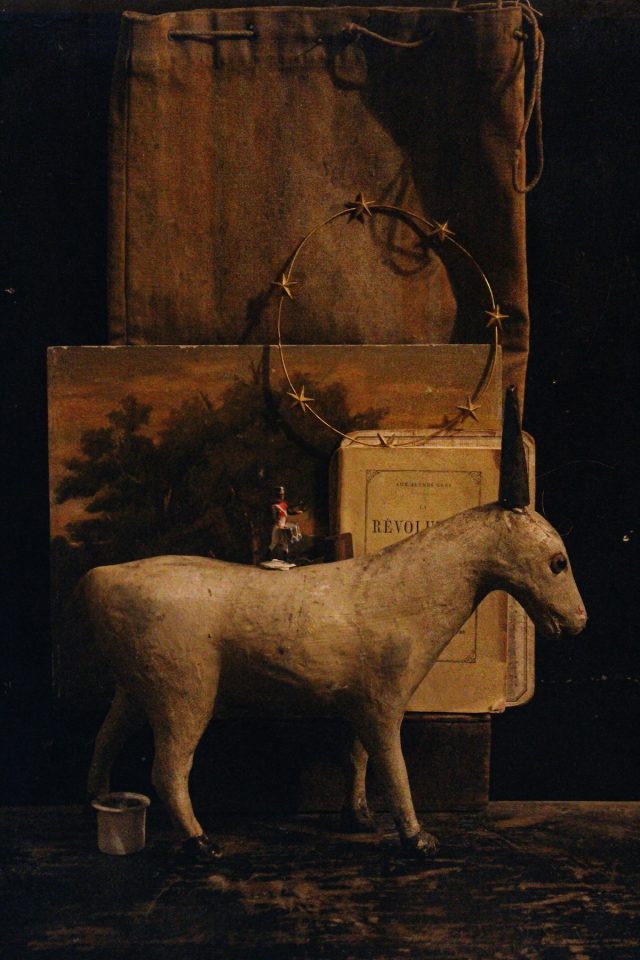
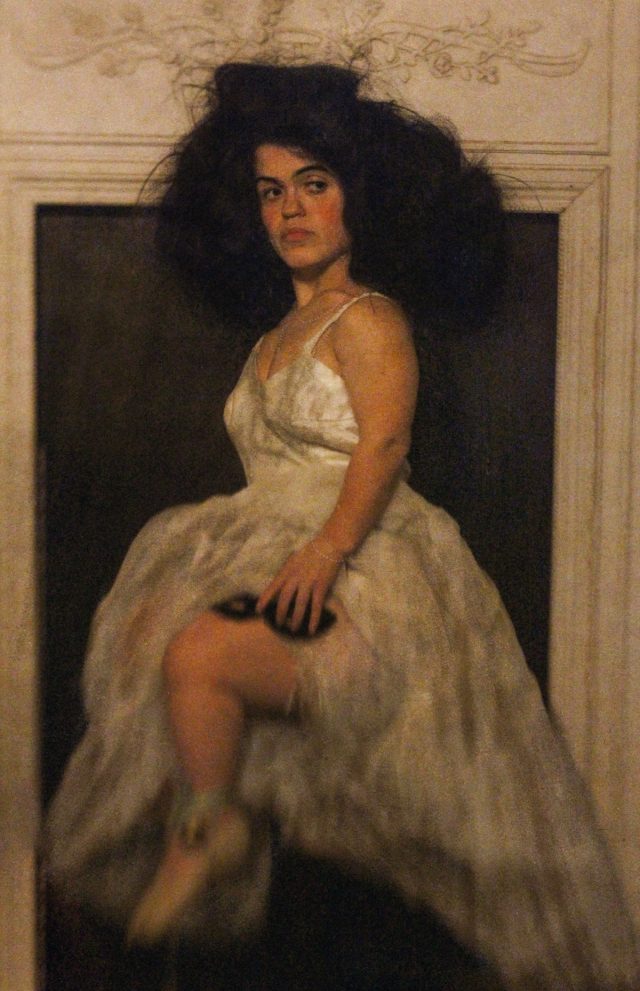
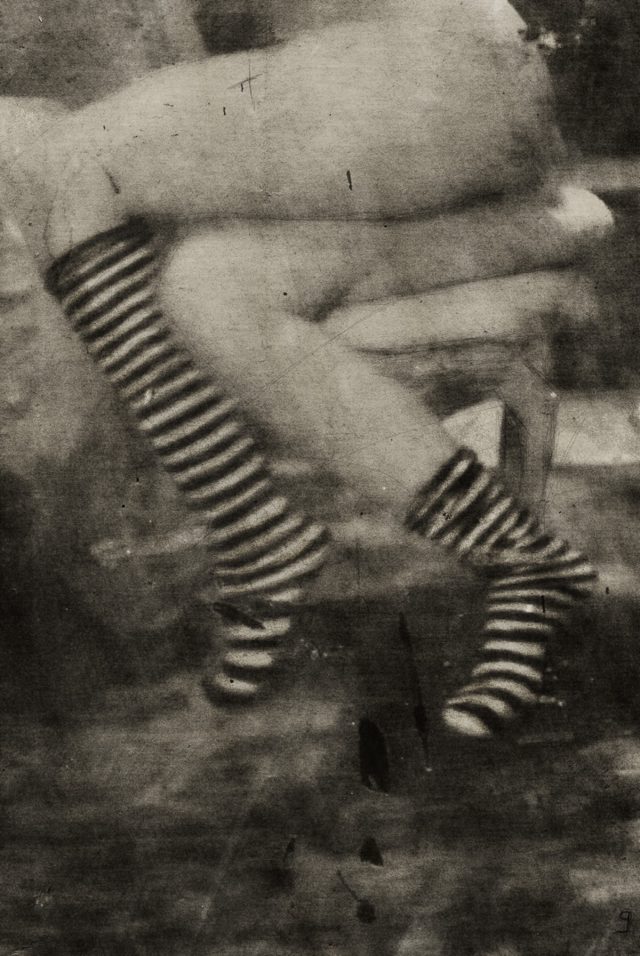
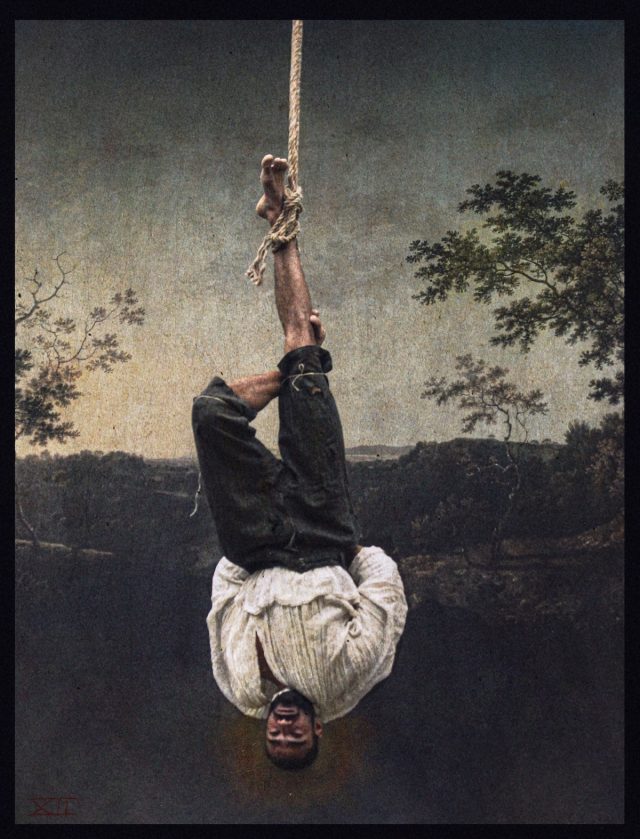
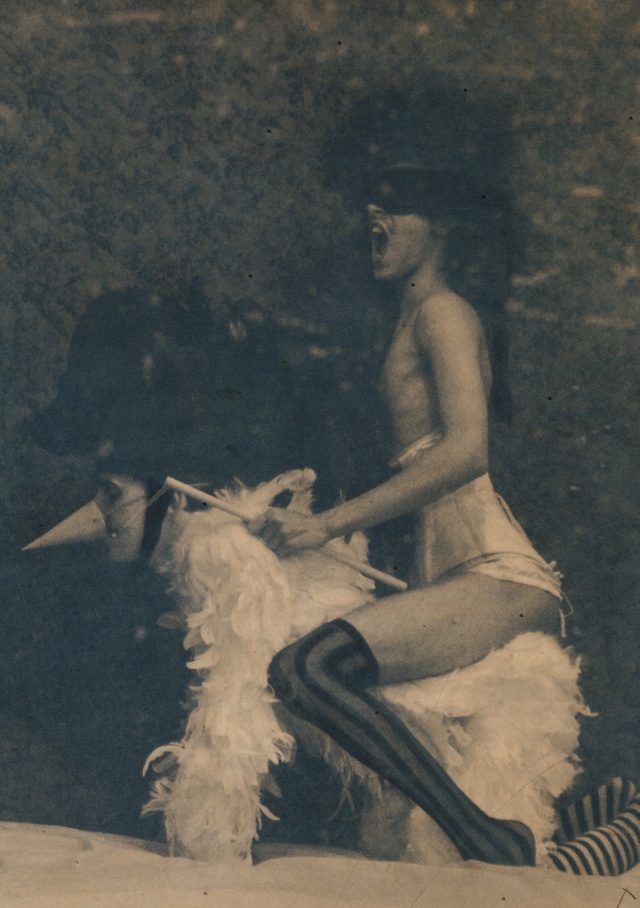
Your portraits blend “fantasy with echoes of the past.” How do you balance historical references with your own contemporary vision?
As Francis Bacon said, it’s like a cement mixer. I digest various information and then it’s kind of like vomiting it—except I actually digest it very well. All those historical references became so familiar to me that I am now able to own them fully and embody them without the historical part looking like a costume, but more like my natural fingerprint.
If you visit my apartment, you could think you’re in a countryside house. Everything is antique. Every object brings its touch and story. Most of my objects are made of wood or paper. I love this because it’s so raw. I am actually obsessed with Arte Povera across the decades, especially the 18th century. There is so much poetry, patience, and care for the smallest details and things. I also love naïve art and outsider art—they feel closely linked to me. And amateur work too, often made with bare hands and an open heart.
I think not knowing too much technique is actually the best. You can only trust your instincts. And yes, since I am a woman born in 2002, my point of view is very much shaped by the outside world—political climate, fashion trends, gender norms, etc. Everything I do comes from a place of introspection, exchange, vulnerability, and authenticity. That’s why I think my work is difficult to place in time. I’d like it to be timeless, like good taste.
What aspects of Surrealism and early cinema influence resonate most strongly with your creative process?
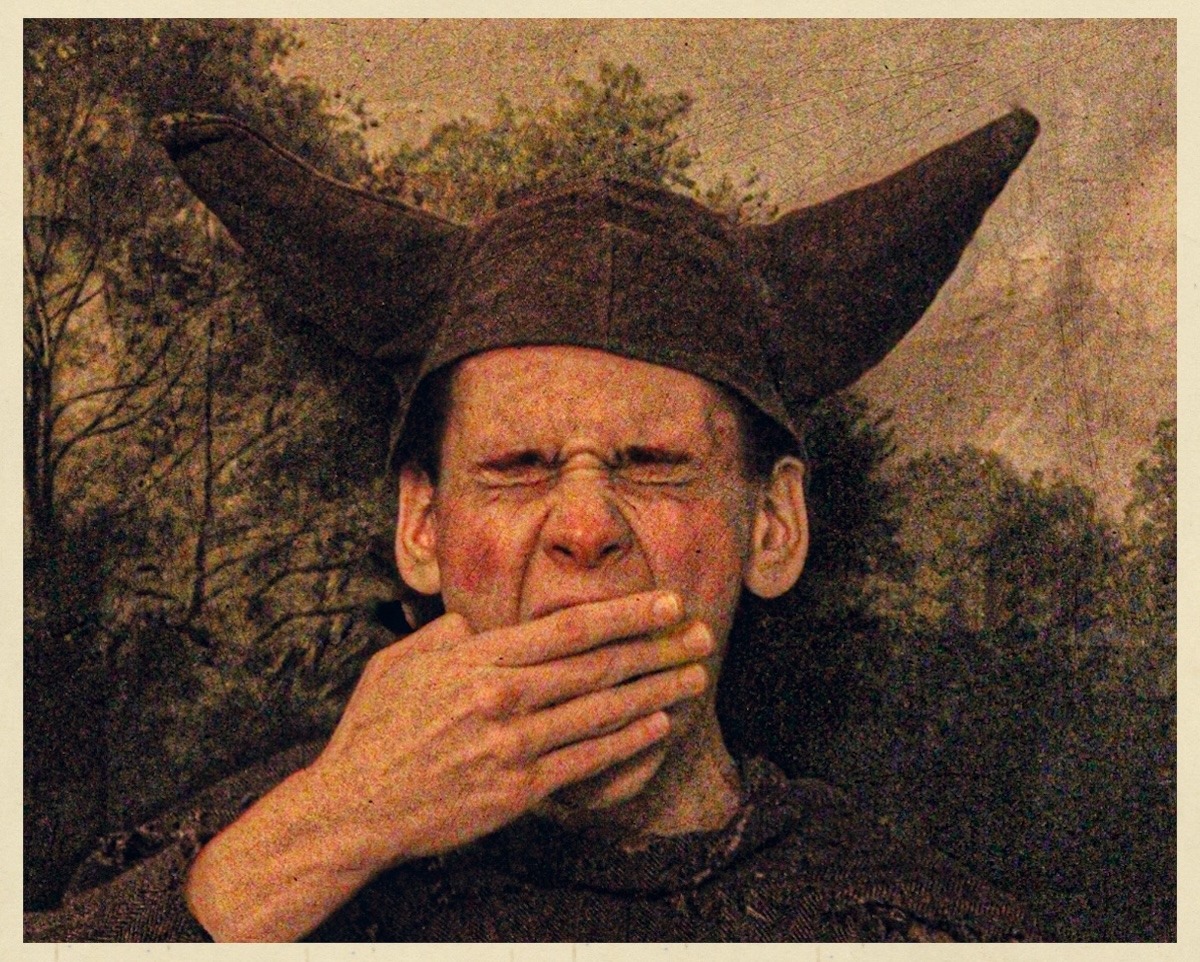
Wow, I actually wrote my entire thesis on it. It’s called Donkey Cap, and it’s dedicated to fools, thieves, revolutionaries, the stubborn, and poets.
There are so many aspects to it: joyful anarchy and chaos, the deformation of reality, absurdity, a dreamlike approach, a childlike perspective as well, DIY aesthetics, introspection of the mind, the unconscious and the subconscious.
Freedom.
I just want to quote this sentence by Fellini that Sarah Moon quoted herself in an interview: “Everything is in the attic of childhood.”
Early cinema… Méliès, for example: recoloring film stock, creating crazy characters with magnificent props and especially those sets—often made of paper. So insane.
What role does performance play for your subjects when stepping in front of the camera yourself?
I will be very honest with you: I can’t work with everyone. That’s also why I don’t work with models, because most of the time agencies or whatever have brainwashed them and it’s like there is no personality.
I’m not saying it’s the model’s fault, but more the agencies and what big brands want to convey and allow them to do. Not all—but still quite a lot. Plus I love so many types of faces, bodies, and energies, and I hate when people are posing. I want them to understand by themselves what I am trying to convey—to become the character entirely.
I have been working with an incredible performer, Masha. It’s crazy how she knows her body and how she plays with so many characters like an actress. But also Oriane, she’s marvelous. When she poses it’s her own true energy that she offers.
That’s what I want: life in all its forms. Rather you play or rather it’s simply you, there is this charm that can remind everyone of a universal feeling. Because we tend to say photography is frozen, but I consider my photography to be the opposite. No one looks at the camera. It’s like I’m entering a room and stealing a live action, or as if I was a ghost trying to show you something.
It’s kind of like being a voyeur—not in a perverted way—because I am in the room with you, you just don’t see me or decide not to look at me.
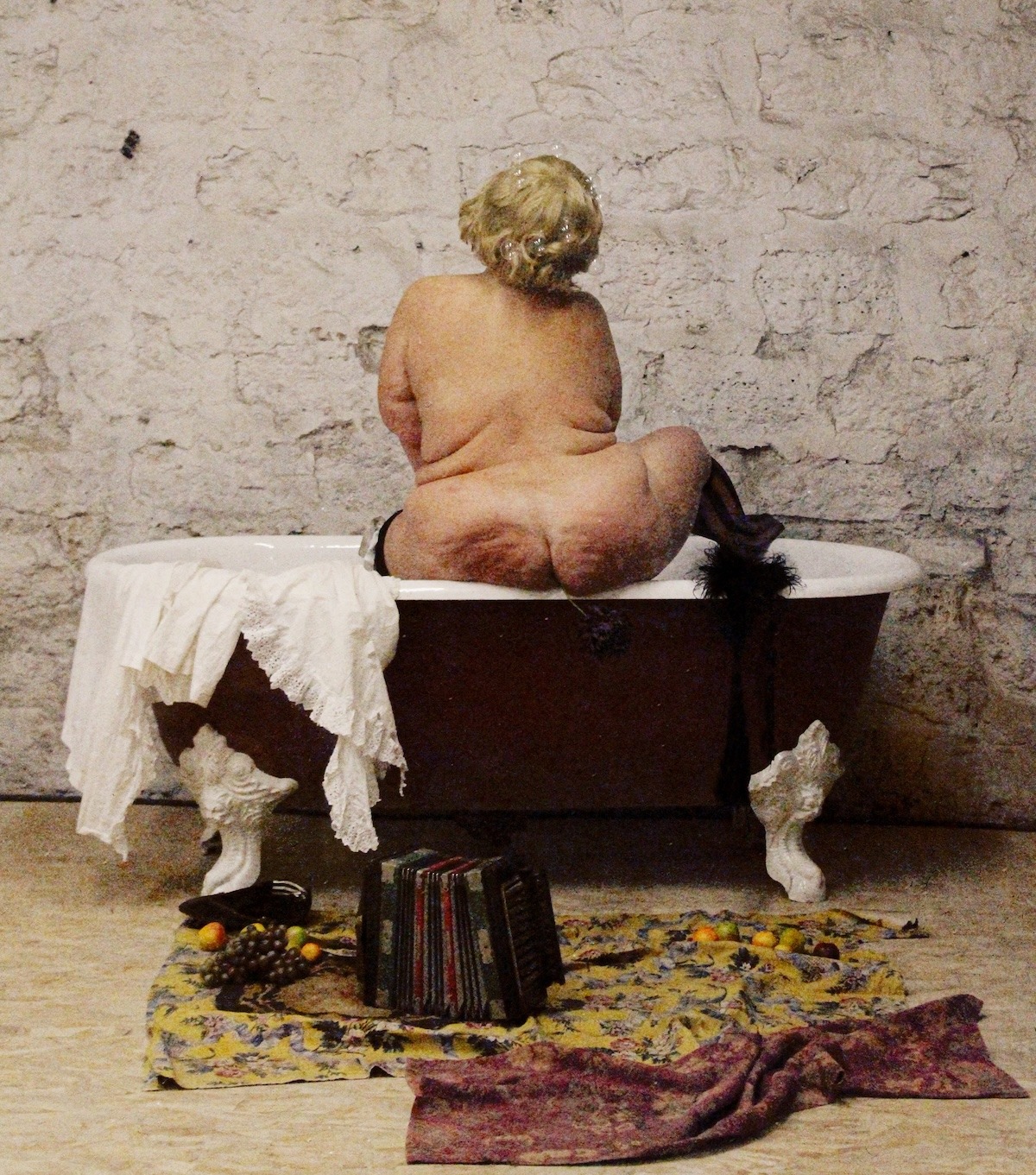
Your work explores themes of madness, transformation, and metamorphosis. What draws you to these themes?
Self-expression takes a big part, and the need to exist how you want no matter what.
Harald Szeemann said about Miroslav Tichý: “Intensity always finds its way of expression.”
Since a very young age I have always been drawn to creating universes and characters to play. Today I realized that since we live in capitalism, I have to turn it into a job. But if money didn’t exist in this world, I would still do exactly the same. I’d create a paper theatre in my imaginary giant garden and stage plays with random people I find interesting, all wearing magnificent garments.
It would probably turn obscene at some point. I don’t see myself as a gentle, cute flower. I love catharsis, craziness, and violence—but also softness, kindness, and beauty.
As Bruno Schulz said in The Street of Crocodiles: “In this city of cheap human material, no instinct can flourish, no dark and unusual passion can be awakened.”
We are made of so many contradictory ideas. That’s why I embrace them in my work. It’s a safe place to find myself again without the judgment of others, which often comes from their own insecurity. To live here on earth is like a theatre of shadows. Moreover, the world keeps showing me that there is no place for dreamers and kind hearts. People would rather praise hypocrisy at all costs.
So now I feel like we’re constantly censoring ourselves, yet we keep getting crazier and crazier.
But yeah, I have always transformed myself because I take a lot of pleasure in talking, dressing, and moving differently than the everyday Rose. It’s like an intelligence or an exercise: by becoming this person you’re not used to, you can experience new feelings and attitudes. We should all detach ourselves from the person we’ve built over time to experience something new.
There are no fixed roles—and if there are, they are only temporary. Visually it’s a pleasure, because what I have always been searching for are emotions. I don’t care about beauty, sex, or intelligence. Anything that can be reflected to create a narrative around you is secondary. The most important thing is how you feel. How do you feel when you look at this ugly figure? Maybe you like it, actually…That’s freedom.
While writing this whole answer, I realized how vulnerable and honest I am—and that is exactly my freedom. I’ve worked hard on preserving it no matter what. Because trust me, being a woman in 2026 is still very complicated. I feel like we tend to study ourselves way too much—and other women as well—because we carry this internalized male gaze in our minds.
I’m 23. Let’s meet again in 20 years and see if anything has changed. In any case, we still have some work to do. Let’s all take even more space, please. The day I shut my mouth and start acting a certain way to please others, I’ll be dead.
Many of your images combine antique objects with digital techniques. How do you approach blending historical materials with modern technology?
Modern technology is just a tool to achieve my final vision.
You often collaborate with other artists and people within your own creative circles. How do these collaborations influence the storytelling within your shoots?
Quite a lot.
It’s like stepping into the garden of your neighbor with a blindfold. You’ve seen it, you know how it is but you don’t exactly know where you’re going. This is very exciting.
I’m thinking about Shams, Agata, and Zoë, with whom I’ve collaborated many times. We don’t even have to speak—we understand each other. It’s only trust and respect.
You describe adding softness as “a shield against reality” when exploring graphic or violent subjects. How do you visually achieve that balance between darkness and gentleness?
Exactly like Fantin-Latour’s quote about making things unclear and not too direct.
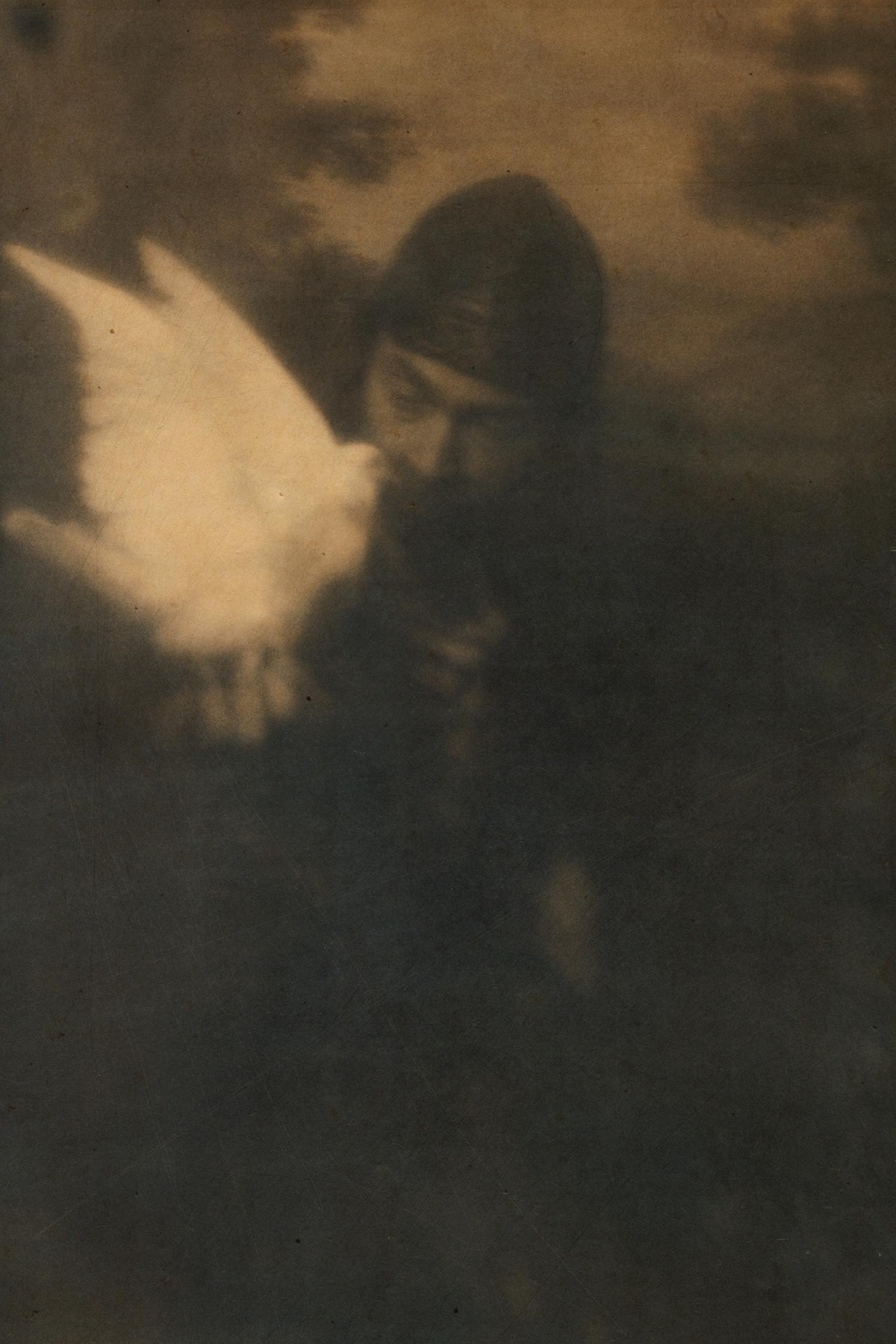
I love to be drafty but also subtle. Those textures and colors are a way to step outside the subject. That’s why I love to mix elements that look uncanny or strange with this illustrative aspect. It’s like you could imagine this only happening in some old, dusty book. It creates distance, because pure, unfiltered violence, in my opinion, is awful to look at. So what you see looks unreal and distant from you. You’re still protected.
Your work challenges contemporary beauty standards and celebrates unique physical features. What role do you think photography and art can play in redefining how we perceive beauty?
It’s fresh air.
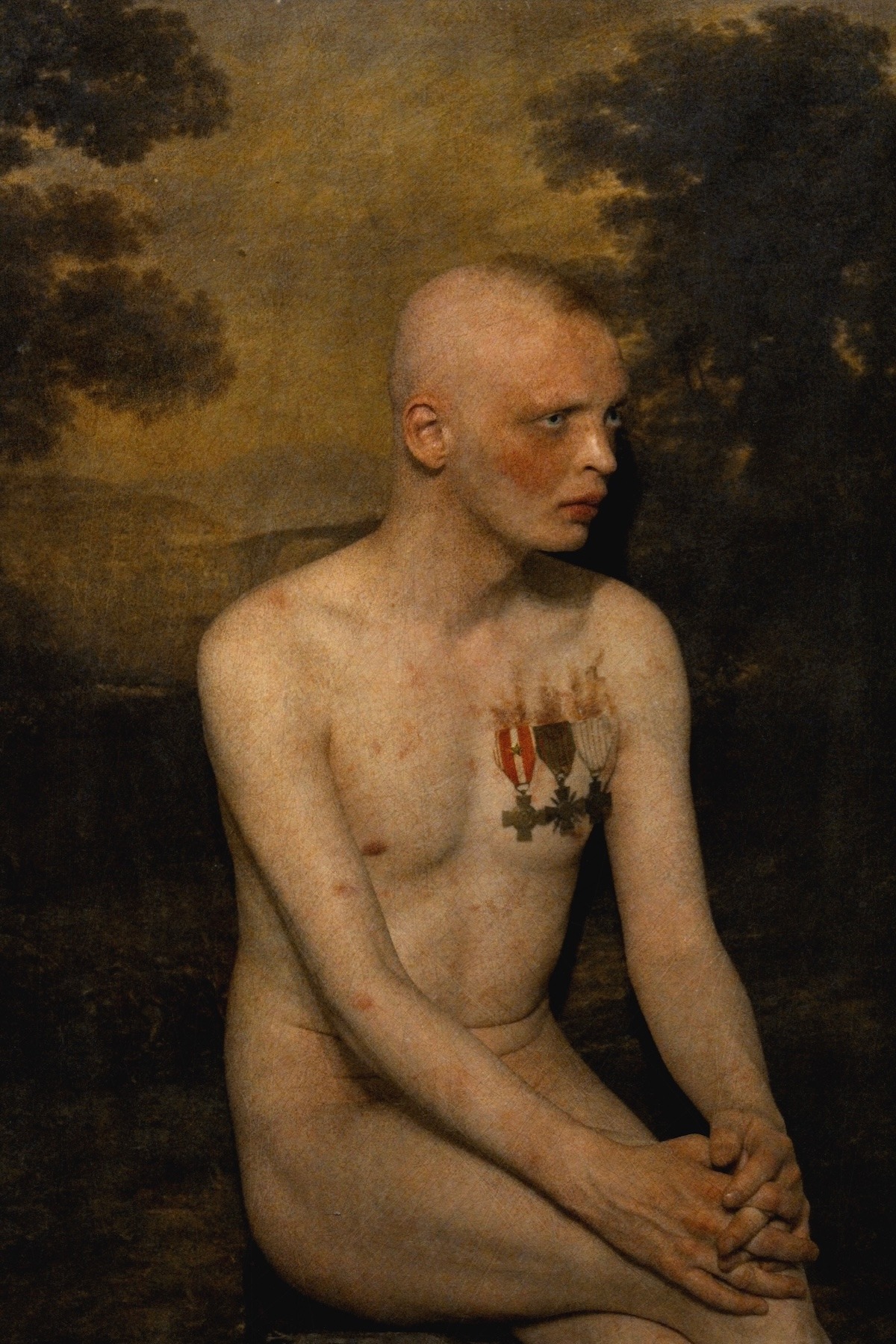
Even though my subjects often look like they’re from the 19th or 20th century, bodies back then were different too. Small waists and BBLs are fun, but skinny legends are fun as well. I didn’t use to care about representation until I saw the effect it has on us. We need to identify with certain figures.
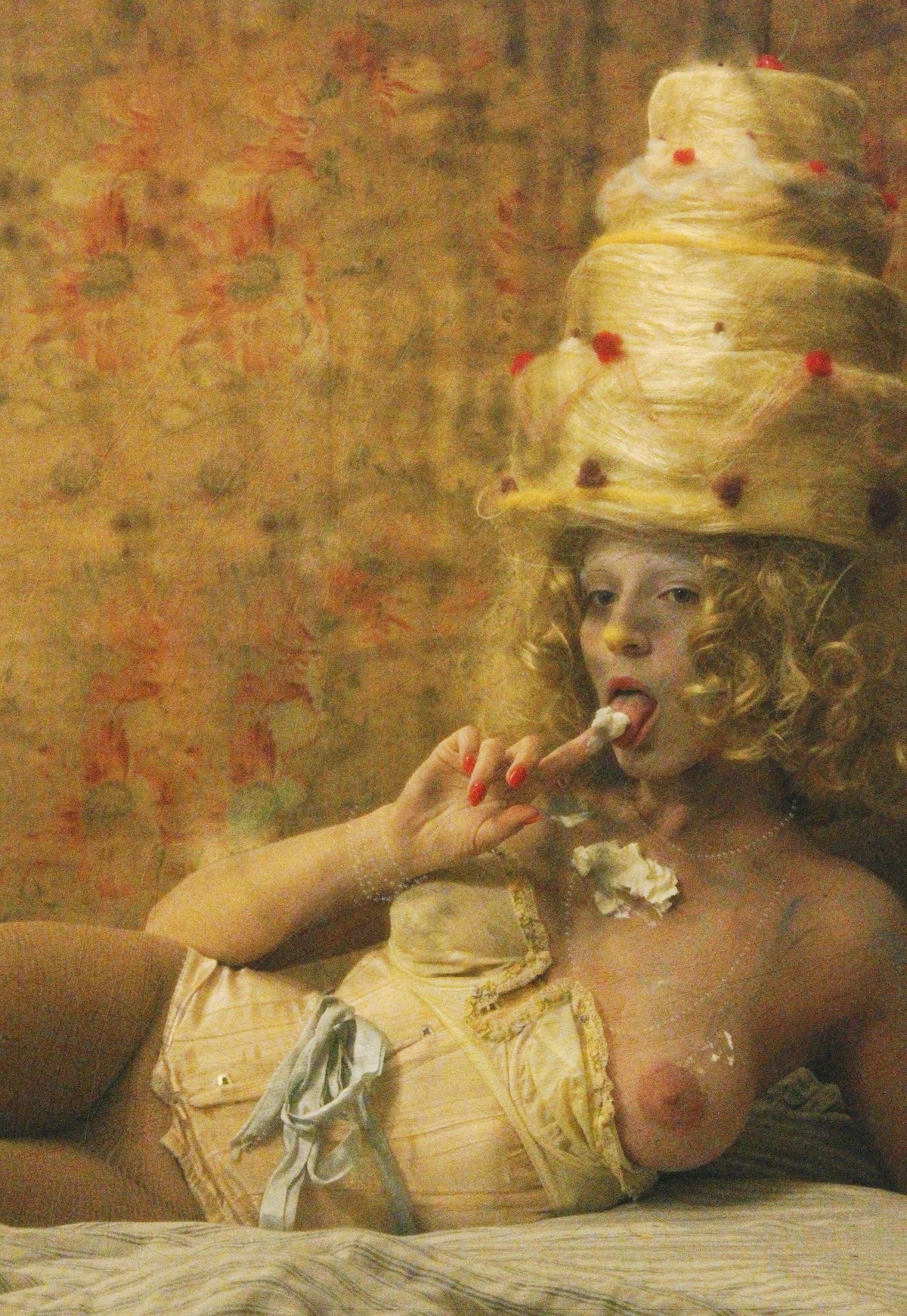
So now I work with anyone who inspires a story. Giving visibility or a more diversified role, to figures we tend to hide or use only for particular roles is important. Poetry has infinite forms. If we put various profiles in the light, I think we’re winning. Sometimes if you’re even a little outside the norm, you can feel rejection, disgust, violence, and judgment.
That’s why I’ve always thought it would be fun to focus on mouths without bodies—where only our minds matter—because in today’s society the quest for perfection is alienating.
The body plays a central role in your images. What do you hope viewers feel when they encounter these expressive forms?
I hope they feel seen, loved, recognized, and proud. I also hope they see the beauty that I see in my beloved subjects.
What makes us different… Or sometimes a little ugly is also what creates charm, uniqueness, and history. Personally I have a tall nose, for example. God forbid I ever get a rhinoplasty, because I dislike it. But if I only had to play a certain character all my life, I would have kept it.
It’s just that I’m human and sometimes I feel it’s not balanced on my face. Yet some people have strong noses, small eyes, close-set eyes, wide-set eyes, dark circles, tiny mouths and they look absolutely incredible. It’s all about balance.
Also, I’ll be real for a second: what I look for in my subjects is not “beauty” in the usual sense. It’s the energy they convey. There is not one way to be beautiful. My work is not about looking good—it’s about being real, honest, and telling stories. Beauty doesn’t last. Charm and words do. Some people feel confused or annoyed when looking at my work… what can I do? Maybe they have something they need to confront. I don’t want to trigger anyone. I just want to show my vision of what I consider interesting, relevant, and beautiful.
What do you have planned for 2026?
Lots of work, exhibitions, shoots all over the world. This is my dream life: my exhaustion goes somewhere sacred—freedom and creativity.
Where can we find you online?
Instagram: @rosemihman
Website: https://rosemihman.com/